Figma Weave is a node-based, multi-model canvas for designers and creative teams who need repeatable AI image and video pipelines instead of lucky one-off generations. Figma bought the Tel Aviv startup Weavy in October 2025, its first acquisition after the IPO, and relaunched it as Weave at weave.figma.com.
Core Features
- Chain models from Google, OpenAI, Kling, ByteDance, Black Forest Labs, Runway, Luma and Recraft in one graph, so every intermediate step stays visible and rerunnable.
- Editing nodes that behave like a compositor: masking, inpainting, outpainting, relighting, z-depth extraction and upscaling.
- LoRA import to hold a character or brand style steady across an entire campaign.
- App Mode wraps any workflow in a simple form so a non-technical colleague can run it without touching a single node.
- Config 2026 shipped 20-plus Weave tools into Figma Design itself, covering background swaps, logo placement and aspect-ratio changes, plus publishable templates in Figma Community.
Best For
- Turning one approved brand layout into dozens of regional variants without visual drift.
- Studios that must reproduce a look across hundreds of assets rather than land it once.
- Teams auditioning several video models before paying for separate subscriptions.
- Anyone who already knows ComfyUI or n8n and wants that control with Figma polish.
Pricing
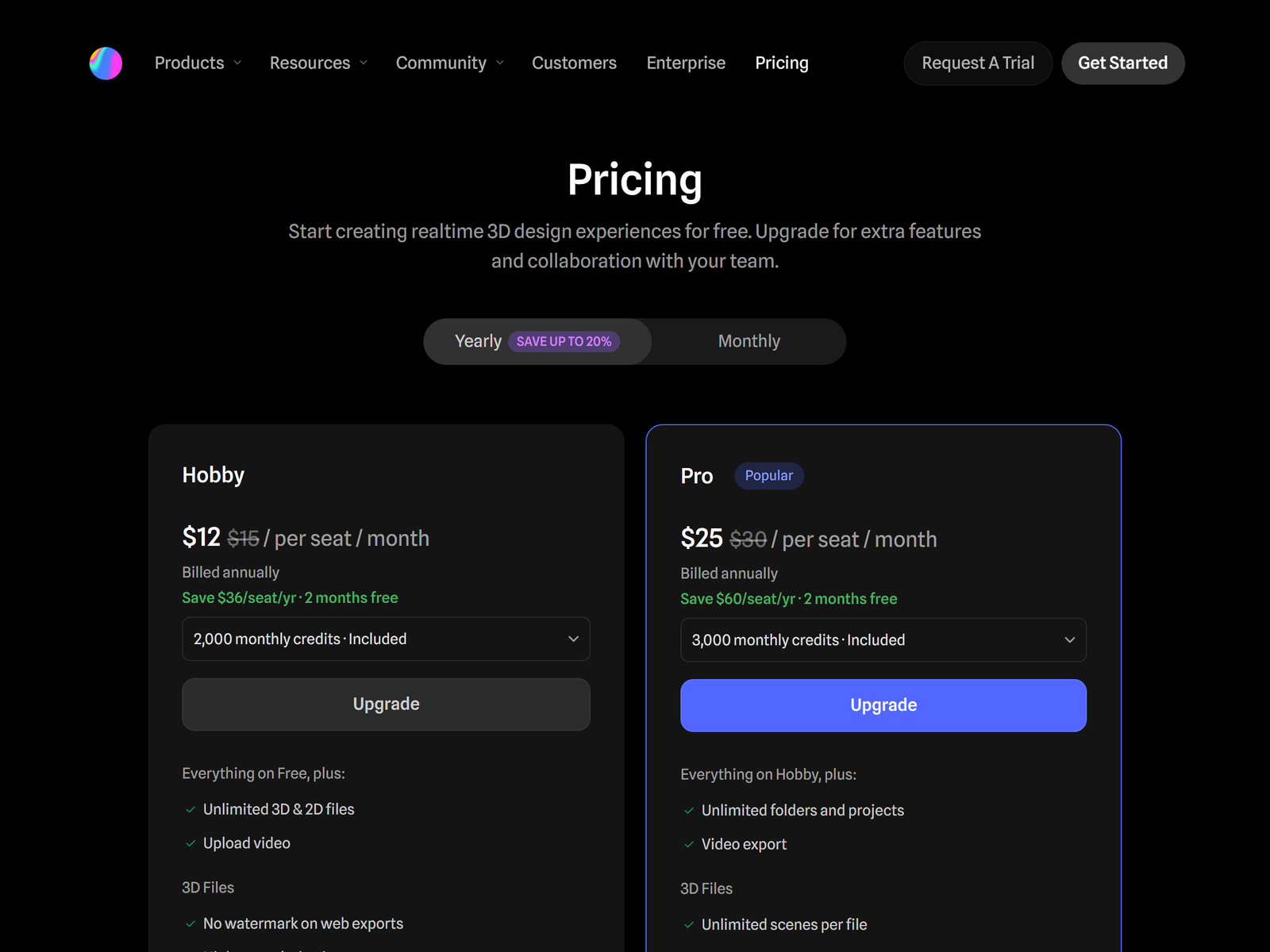
Standalone Weave offers a free tier with 150 credits a month; paid plans start near $19 per month for 1,500 credits, and team seats run roughly $36 to $48 per user. Weave tools inside Figma Design are free during the open beta for paid Figma plans and will draw on Figma AI credits at general availability.
Our Take
Best for teams shipping recurring branded content on a calendar. The trade-off: Weave still bills apart from your Figma seat, credits do not move between them, video nodes drain them quickly, and the node canvas is a genuine learning curve. For a lighter prompt-to-UI option, see Google Stitch on aifreetool.site.