How to Make Money Building 3D Web Experiences With Spline in 2026
Category: Monetization Guide
Reviewed by the aifreetool.site editorial team. We tested Spline hands-on and earn no commission and keep no affiliate relationship with any tool we cover.
Quick answer: In 2026, you can make money with Spline by building interactive 3D web experiences — product viewers, animated hero sections, and embeddable scenes — for brands, agencies, and Shopify stores. Freelancers typically charge $150–$600 per scene and pull in $300–$1,500 per month on retainers.
Key Takeaways
- Spline runs in the browser, so you export clean React, Next.js, or plain embed code — clients get a live 3D element without hiring a 3D engineer.
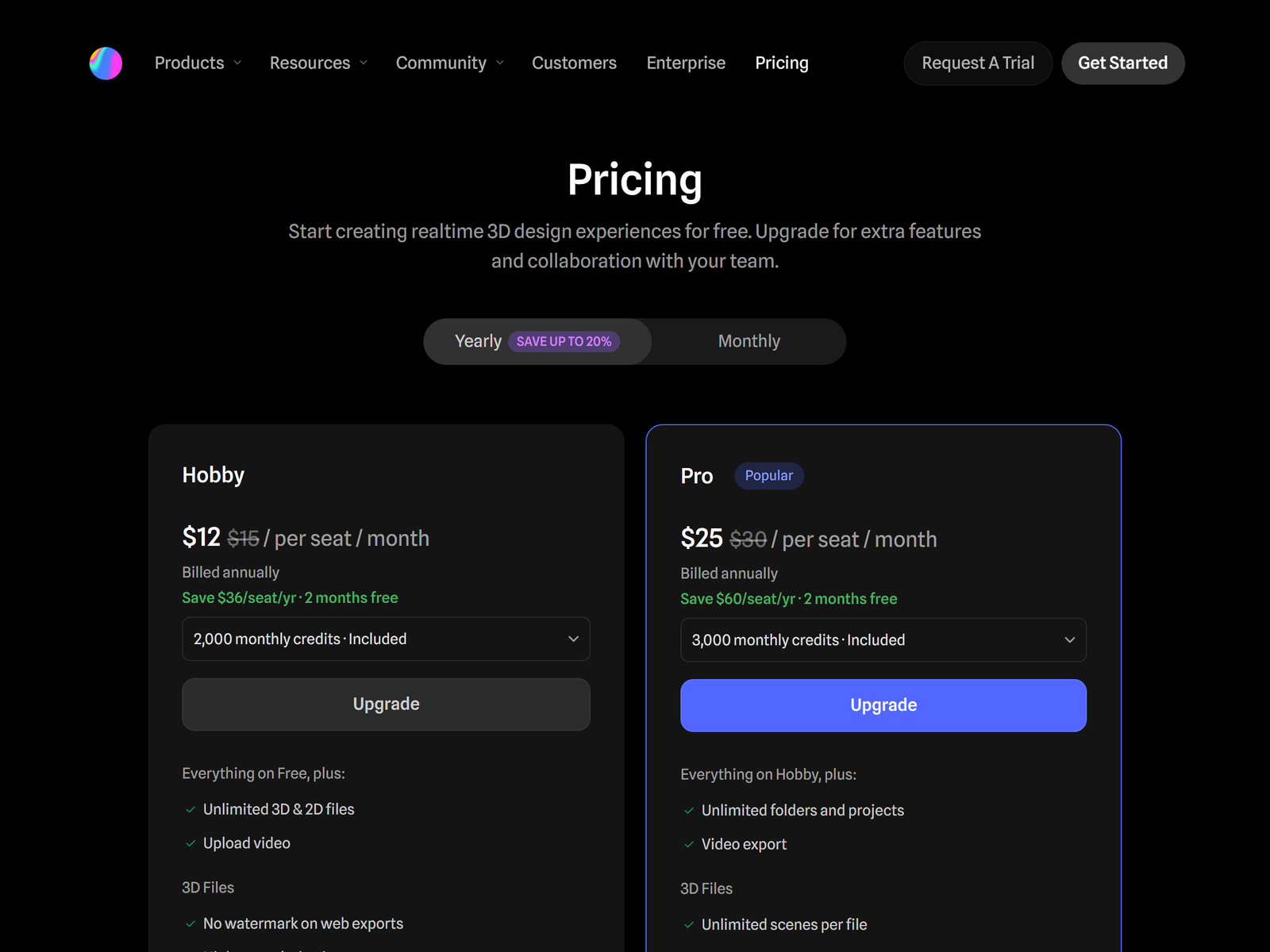
- The Starter plan at $12 per seat per month removes watermarks and is enough for most freelance work.
- Best buyers are e-commerce brands wanting 3D product viewers and agencies needing animated landing-page heroes.
- You do not need Blender or Unity skills; Spline's interactivity is node-based and mostly no-code.
What Spline is (and the plan you'd actually use)
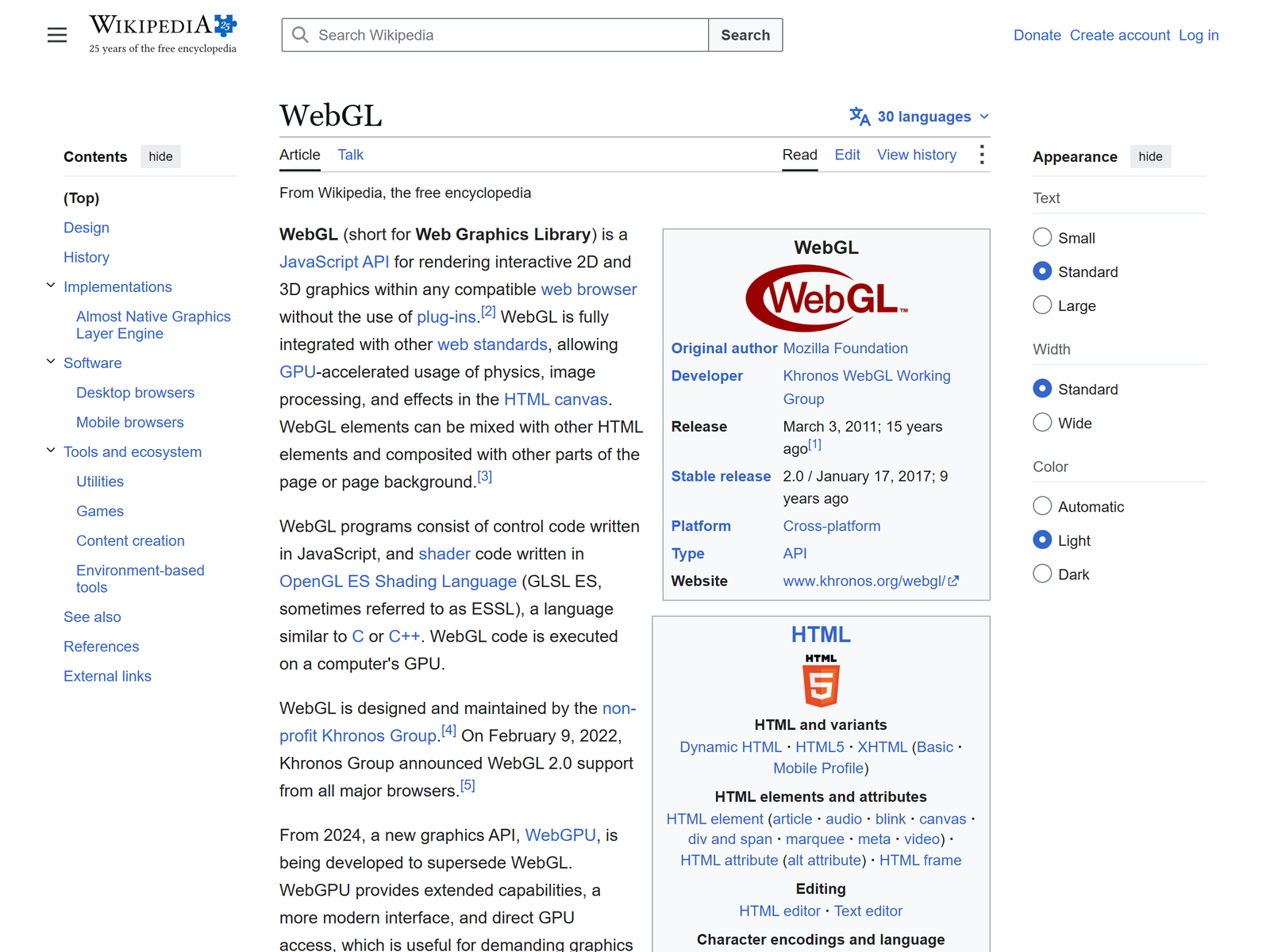
Spline is a browser-based 3D design tool that lets you model, animate, and ship interactive 3D scenes straight to the web. Brands like Hyundai and Logitech use it for real product and marketing work, which is exactly the kind of proof you can show a prospect. You build in a visual editor, then publish a scene that runs in any modern browser through WebGL or export Three.js/React code for a developer to drop into a site.
The pricing is friendly for a solo operator. The Free plan costs $0 but stamps a watermark on web exports. The Starter plan is $12 per seat per month (billed annually) and removes the watermark, adds unlimited files, and unlocks the material and audio libraries. The Professional plan is $20 per seat per month and adds video export, iOS and Android export, code export, and unlimited API webhooks. An AI add-on is $5 per seat per month for text-to-3D generation. For a one-person service business, Starter plus the AI add-on is the realistic monthly cost: about $17.
The monetization idea: sell interactive 3D web builds
The service is simple to describe: "I'll add a rotating, interactive 3D element to your site." That single sentence sells to three distinct buyers — Shopify stores that want a 3D product viewer, agencies that want an animated hero section, and course creators who want a branded explainer scene. You are not selling "AI art"; you are selling a working web component a non-technical client can paste in.
| Service | What you deliver | Price | Monthly potential |
|---|---|---|---|
| 3D product viewer | Rotatable GLTF embed for a Shopify or Webflow product page | $200–$500 | $600–$1,500 |
| Animated hero section | Scroll-reactive scene for a landing page | $300–$600 | $800–$2,000 |
| Branded explainer scene | Interactive marketing scene with the client's colors and logo | $150–$400 | $500–$1,200 |
Step-by-step: from sign-up to first paid client
- Open a free Spline account and rebuild one of the community templates (a product turntable is the easiest) so you have a portfolio piece in an afternoon.
- Record a 30-second screen capture of the scene rotating and responding to a click; this clip is your sales asset.
- List a "Interactive 3D product viewer" gig on Fiverr and a "3D landing page hero" service on Upwork, each with the capture attached.
- Send 10 personalized messages a week to Shopify stores whose product photos look flat; offer a $99 mini-viewer as a foot-in-the-door.
- Deliver the embed code, walk the client through pasting it, and ask for a testimonial plus a monthly "scene update" retainer.
Client and quality management
Set expectations clearly: Spline is for stylized, lightweight 3D, not photoreal character work or heavy game assets. If a client wants a fully rigged character, refer them elsewhere. Deliver the scene as a shareable link first, then hand over the embed snippet only after approval — this avoids endless "can you also move the light" revision loops. Charge a fixed price per scene and a separate monthly fee for changes.
Pro tips and pitfalls to avoid
- Keep poly counts low. A scene that lags on a phone loses the sale faster than an ugly one.
- Use the no-watermark Starter plan from day one; a watermarked demo sent to a paying client looks unprofessional.
- Bundle the first revision into the price, but quote extra scenes à la carte so scope stays contained.
- Do not promise "metaverse" or "game-ready" assets — Spline is a web tool, and overpromising burns referrals.
Realistic expectations: who this is and isn't for
This is a good fit if you already enjoy visual design and can talk to a store owner in plain language. It is a poor fit if you dislike client calls or expect passive income — every dollar comes from a delivered scene. A focused part-timer with five retainer clients can clear $1,000–$1,500 a month; a full-time freelancer serving agencies can reach $3,000–$4,000.
My Take: The Bottom Line
Spline is one of the few AI-era 3D tools where the output is genuinely useful to a non-technical buyer, not just impressive to look at. The barrier to entry is low (browser-only, $12 a month) and the deliverable is a paste-in code snippet a client understands. The risk is scope creep on "make it pop" requests, so price per scene and hold the line. If you can show one clean rotating product viewer, you can sell the next ten. See the Spline page on aifreetool.site for the official links, and compare it with Canva if your buyer only needs flat graphics. More plays like this live in our Monetization Guide category, and the full tool directory is at aifreetool.site.
FAQ
Do I need to know Blender or code to sell Spline work? No. The editor is visual and the export is a copy-paste snippet. You only need light HTML comfort to paste an embed, which most clients' developers handle.
How fast can I land a first client? With a finished demo scene and five outreach messages a day, most freelancers get a $99–$200 micro-project within two to three weeks.
Which plan should I start on? Starter at $12 per seat per month. The free plan's watermark makes client demos look unfinished, so upgrade before you pitch.
Is the AI text-to-3D add-on worth it? For a service business, yes — $5 more a month speeds up first drafts. But you still refine by hand, so treat it as a starting point, not a finished product.
Where do I find buyers? Shopify and Etsy sellers with flat product photos, plus small agencies that want animated heroes. Spline's pricing page lists the exact feature split so you can quote accurately.