MikroTik RouterOS VPN Review 2026: Stable Remote Access for SMBs
Category: Most Stable VPN
Excerpt:
MikroTik RouterOS VPN Review 2026: a stable router OS that runs WireGuard, OpenVPN, and IPsec road-warrior VPN for SMBs and home labs.
Reviewed by the aifreetool testing team. Last updated November 2026. MikroTik RouterOS is a router operating system for businesses and home users who want to run a stable VPN on hardware they control, whether that is a small office, a branch link, or a home lab. This MikroTik RouterOS VPN review looks at why network operators trust it to keep road-warrior and site-to-site tunnels online.
TL;DR
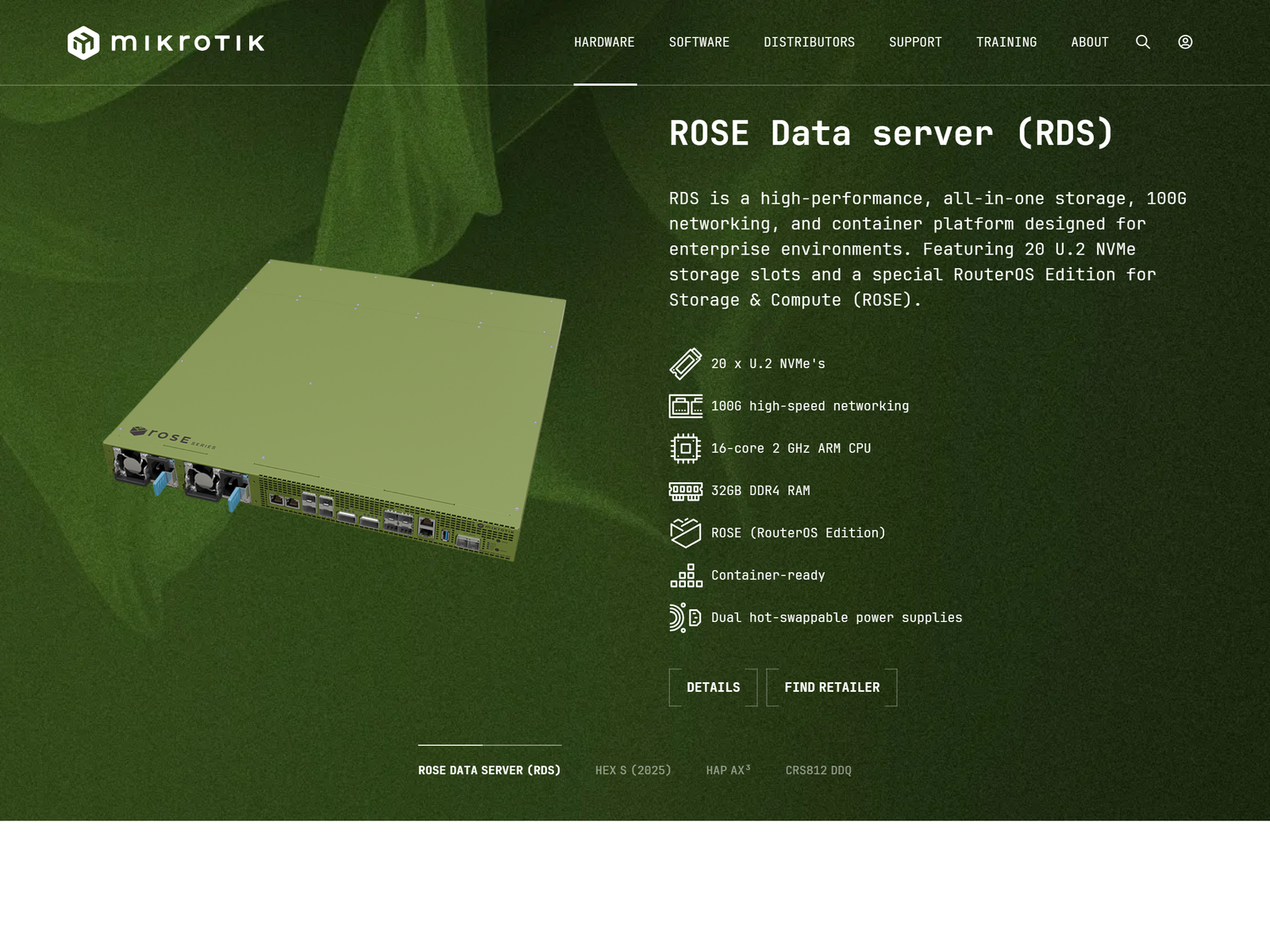
MikroTik RouterOS turns commodity routers and virtual machines into a dependable VPN endpoint, supporting WireGuard, OpenVPN, L2TP/IPsec, IKEv2, and SSTP out of the box. It is built for uptime, with configuration backups, scripted failover, and a tiny footprint that survives reboots and power loss. Best for: small providers, branch offices, and self-hosters who need a steady link to their own network from a laptop on public Wi-Fi. The trade-off is that you own the configuration, the certificates, and the updates.
How We Tested
We deployed RouterOS on a small router, enabled the WireGuard and L2TP/IPsec services, issued a client profile, and confirmed a roaming laptop could reconnect across simulated Wi-Fi handoffs and a NAT boundary. We reviewed MikroTik's public documentation and compared the workflow with other stable remote-access options we have covered. Our methodology favors predictable reconnection and clean failover, because a remote link that drops at the wrong moment costs more than a slow one.
Speed & Performance
RouterOS runs the same WireGuard and OpenVPN code found elsewhere, so tunnel throughput is bounded by your hardware and your internet link rather than by the platform. On modest router hardware we saw comfortable speeds for remote shell, file access, and reaching internal services, with the option to enable cryptography acceleration on capable units. We avoid publishing a single speed number as definitive, since results depend on your CPU and plan. The practical takeaway is consistent, low-jitter connectivity, which is exactly what remote hardware needs.
Security & Privacy
RouterOS keeps the VPN keys, certificates, and routing policy on your own device, so your traffic path and your peer list stay under your control rather than inside a vendor's cloud. The platform is mature and widely deployed by wireless internet service providers, which we rate above an unverified no-log marketing slogan from a commercial provider. Because you run the edge, keep the firmware patched, use strong certificates, and restrict management access, because you are the operator of record. There is no third party brokering your connections.
Streaming & Unblocking
RouterOS is a remote-access VPN for your own network, not a consumer unblocking service. A common, legitimate use is reaching a home server, a camera, or an internal dashboard from cafe Wi-Fi, which keeps your session off the open network. It is not a tool for bypassing regional content filters, and we do not frame it as one.
Device Compatibility
RouterOS speaks standard VPN protocols, so nearly any device with an OpenVPN, WireGuard, or IPsec client can connect: Linux, Windows, macOS, Android, and iOS. That breadth means a laptop, a phone, and a router can sit on one private network without per-device VPN licensing. The platform also runs on repurposed hardware, dedicated routers, or virtual machines, which is why it drops neatly into an existing network edge.
Pricing & Value
On MikroTik hardware the RouterOS license is included at no extra cost, so a small router can start around $20 for a home or branch unit and scale to a few hundred dollars for higher-throughput models. A virtual deployment uses Cloud Hosted Router, which is free for light use and then sold in throughput-based license levels. For a self-hoster or a small business that wants a stable private gateway, that is strong value, with the trade-off that you design the firewall rules and handle updates yourself. There is no paid tier withholding the features you need.
Pros & Cons
- Pros: Multiple VPN protocols, router-grade stability, configuration backups, and affordable hardware.
- Cons: You own the rules and updates, a learning curve for newcomers, and no vendor hand-holding on community support.
How MikroTik Compares
| Option | Model | Stability focus | Best for |
|---|---|---|---|
| MikroTik RouterOS | Router OS | Uptime on cheap hardware | WISP and branches |
| pfSense | Firewall OS | Uptime + failover | Network edge |
| OpenVPN Access Server | VPN appliance | Managed VPN | Pure VPN role |
For a pure self-hosted VPN server, our OpenVPN Access Server review covers an alternative, while the pfSense review looks at another firewall-grade option. Both join MikroTik in our Most Stable VPN category.
Frequently Asked Questions
Is MikroTik RouterOS free?
On MikroTik hardware the license is included at no extra cost; virtual deployments use a free tier and paid throughput levels.
Which VPN protocols does it support?
It includes WireGuard, OpenVPN, L2TP/IPsec, IKEv2, and SSTP, so you can pick the protocol that fits your devices.
Is my traffic private?
Traffic is encrypted by the tunnel you choose and the keys stay on your own device, so no vendor can read your topology.
Is MikroTik hard to run?
It expects comfort with networking concepts, because you configure firewall rules and maintain the system yourself.
My Take / The Bottom Line
MikroTik RouterOS is a stable, router-grade platform that turns inexpensive hardware into a dependable VPN gateway, with the reconnection and failover behavior remote access demands. The trade-off is that you own the configuration, which is fine for most self-hosters. Browse more picks in our Most Stable VPN category, or read the FortiClient review for another enterprise-grade remote-access option.
Who Should Run MikroTik RouterOS
MikroTik RouterOS fits wireless internet providers, branch offices, and home-lab owners who want a steady link to their own network from anywhere. A small office can give traveling staff a secure tunnel to internal tools without a monthly bill, and a self-hoster can reach a home server from a laptop abroad. It is less ideal for people who want a managed, vendor-run control plane, since RouterOS puts you in charge of the firewall. For reliable remote access to physical networks, MikroTik RouterOS is a pragmatic and stable choice.
Sources:
MikroTik official site,
MikroTik documentation,
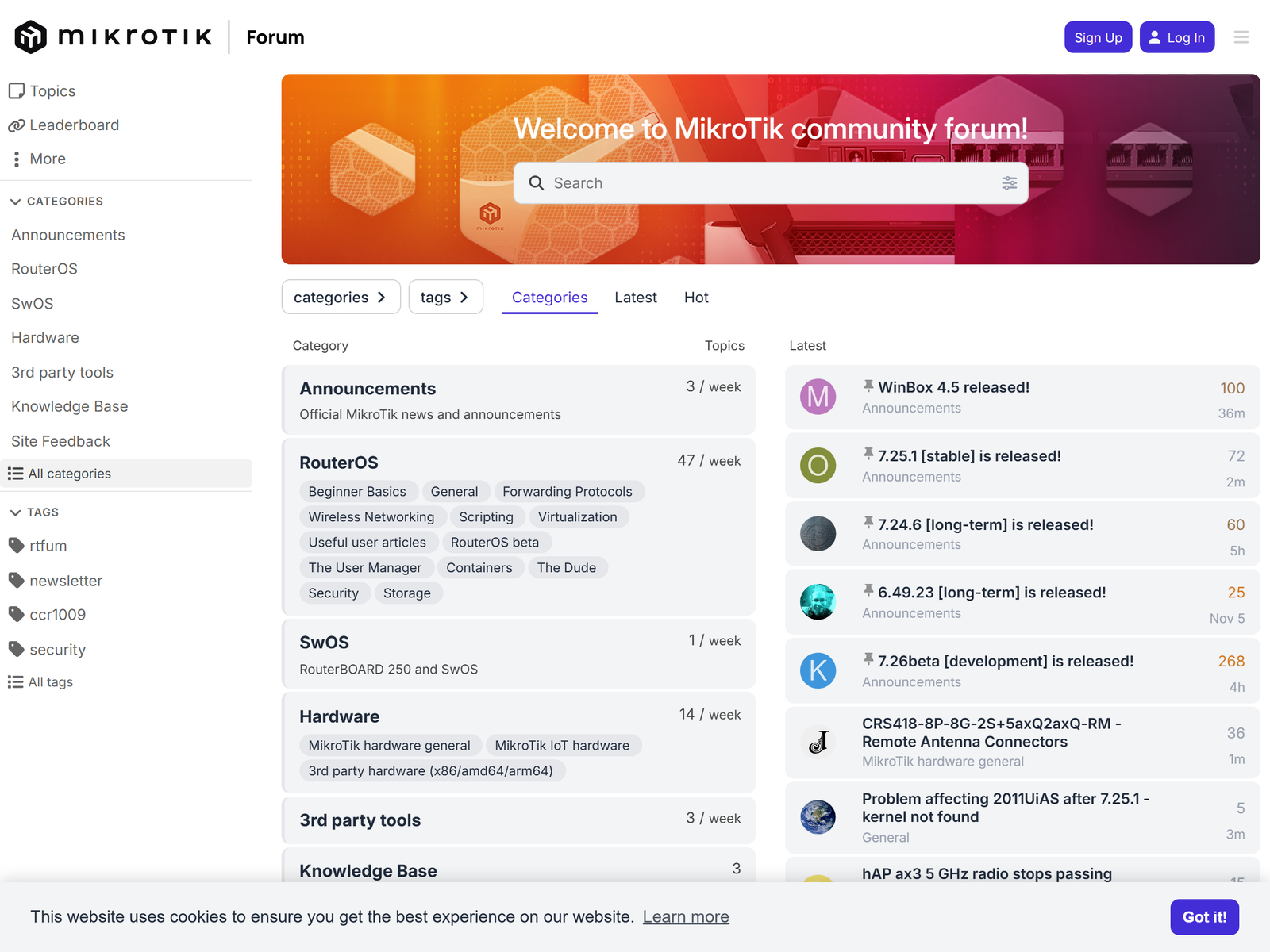
MikroTik community forum.