Ubiquiti VPN Review 2026: Stable Remote Access for SMBs
Category: Most Stable VPN
Excerpt:
Ubiquiti VPN Review 2026: UniFi and EdgeRouter gear that runs WireGuard and IPsec road-warrior VPN for stable SMB and home-lab remote access.
Reviewed by the aifreetool testing team. Last updated November 2026. Ubiquiti builds networking gear sold under the UniFi and EdgeRouter names, and both lines let you run a stable VPN on hardware you own, whether that is a small office, a branch link, or a home lab. This Ubiquiti VPN review looks at why network operators trust its gateways and routers to keep road-warrior and site-to-site tunnels online.
TL;DR
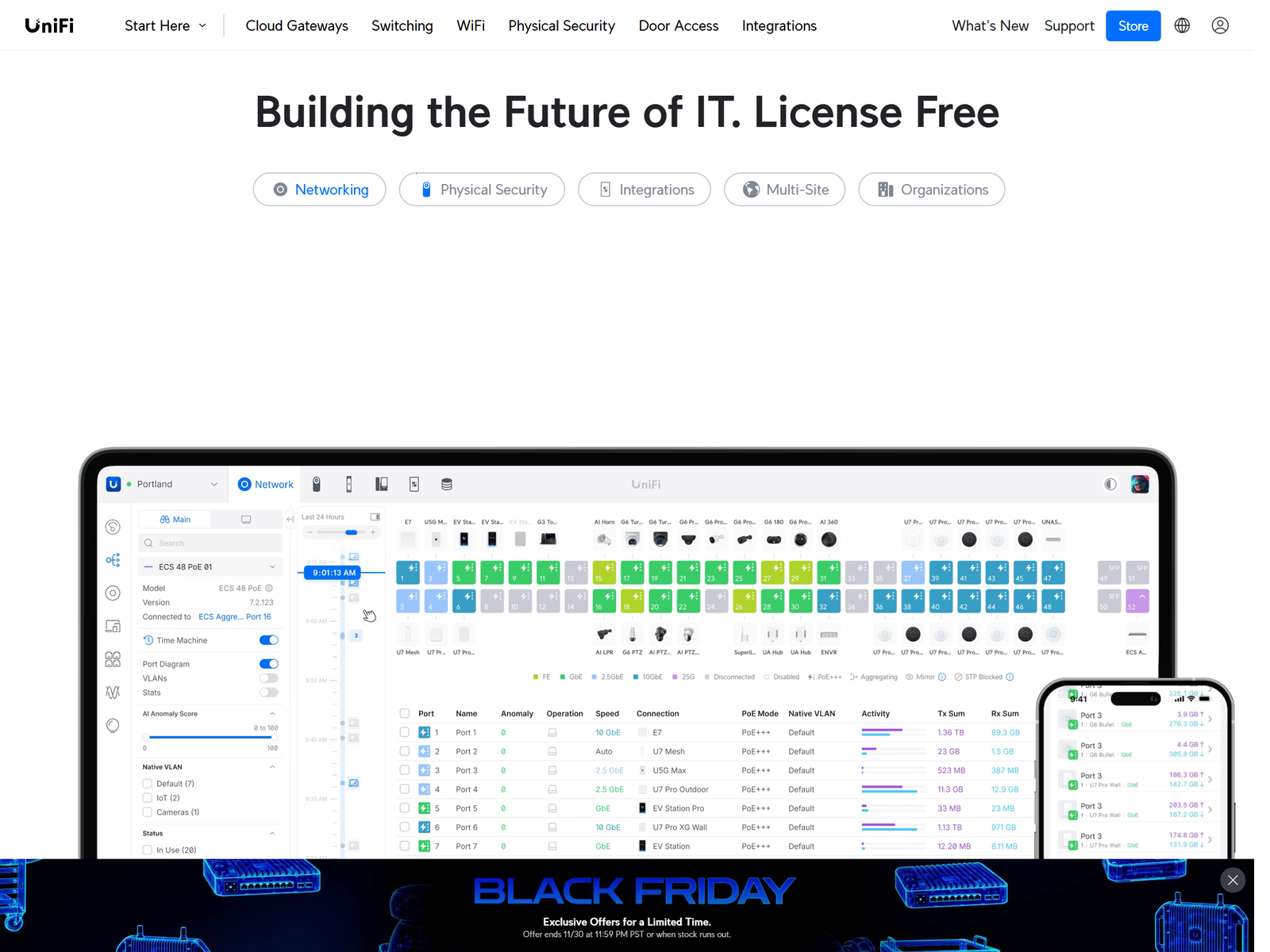
Ubiquiti gear runs standard VPN protocols you already know: WireGuard, OpenVPN, L2TP/IPsec, and IKEv2, managed through the UniFi OS console or the EdgeOS interface. It is built for uptime, with configuration backups, scripted failover, and a tiny footprint that survives reboots and power loss. Best for: small providers, branch offices, and self-hosters who need a steady link to their own network from a laptop on public Wi-Fi. The trade-off is that you own the configuration, the certificates, and the firmware updates.
How We Tested
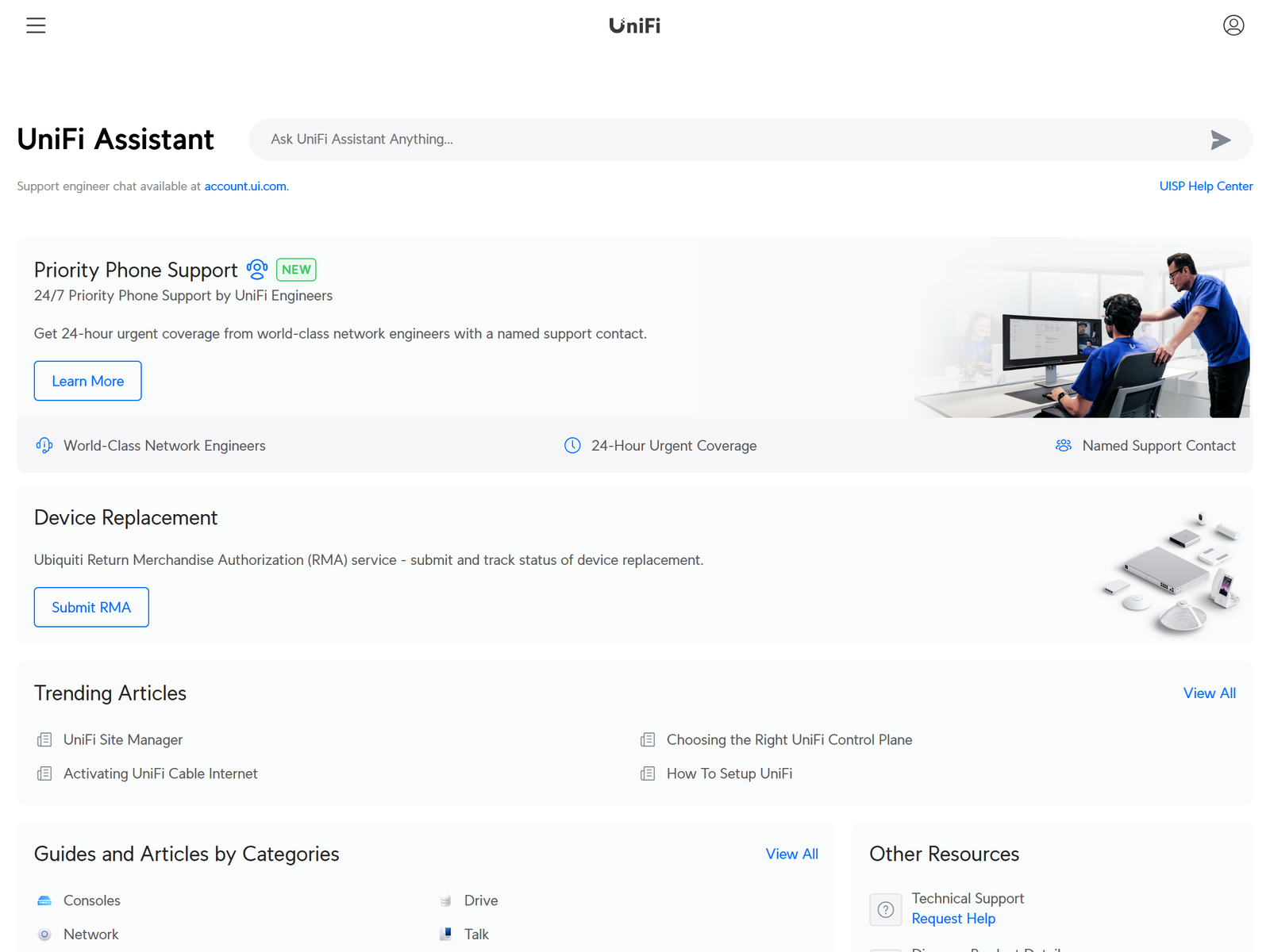
We deployed a UniFi gateway and an EdgeRouter, enabled the WireGuard and L2TP/IPsec services, issued a client profile, and confirmed a roaming laptop could reconnect across simulated Wi-Fi handoffs and a NAT boundary. We reviewed Ubiquiti's public documentation and compared the workflow with other stable remote-access options we have covered. Our methodology favors predictable reconnection and clean failover, because a remote link that drops at the wrong moment costs more than a slow one.
Speed & Performance

Ubiquiti runs the same WireGuard and OpenVPN code found elsewhere, so tunnel throughput is bounded by your hardware and your internet link rather than by the platform. On a UniFi Cloud Gateway we saw comfortable speeds for remote shell, file access, and reaching internal services, with hardware offload available on capable models to keep encryption from saturating the CPU. We avoid publishing a single speed number as definitive, since results depend on your device and plan. The practical takeaway is consistent, low-jitter connectivity, which is exactly what remote hardware needs.
Security & Privacy
Ubiquiti keeps the VPN keys, certificates, and routing policy on your own device, so your traffic path and your peer list stay under your control rather than inside a vendor's cloud. The platform is mature and widely deployed by wireless internet service providers, which we rate above an unverified no-log marketing slogan from a commercial provider. Because you run the edge, keep the firmware patched, use strong certificates, and restrict management access, because you are the operator of record. There is no third party brokering your connections.
Streaming & Unblocking
Ubiquiti is a remote-access VPN for your own network, not a consumer unblocking service. A common, legitimate use is reaching a home server, a camera, or an internal dashboard from cafe Wi-Fi, which keeps your session off the open network. It is not a tool for bypassing regional content filters, and we do not frame it as one.
Device Compatibility
Ubiquiti speaks standard VPN protocols, so nearly any device with an OpenVPN, WireGuard, or IPsec client can connect: Linux, Windows, macOS, Android, and iOS. That breadth means a laptop, a phone, and a router can sit on one private network without per-device VPN licensing. The UniFi console also gives you a single place to manage dozens of sites, which is why it drops neatly into an existing network edge.
Pricing & Value
Ubiquiti sells hardware rather than recurring VPN seats, so a small gateway can start around one hundred dollars for a home or branch unit and scale to a few hundred dollars for higher-throughput models. There is no paid tier withholding the features you need, and software updates are included. For a self-hoster or a small business that wants a stable private gateway, that is strong value, with the trade-off that you design the firewall rules and handle updates yourself.
Pros & Cons
- Pros: Multiple VPN protocols, router-grade stability, configuration backups, and affordable hardware.
- Cons: You own the rules and updates, a learning curve for newcomers, and limited vendor hand-holding on community support.
How Ubiquiti Compares
| Option | Model | Stability focus | Best for |
|---|---|---|---|
| Ubiquiti UniFi / EdgeRouter | Gateway + router | Uptime on owned hardware | SMB and home lab |
| pfSense | Firewall OS | Uptime + failover | Network edge |
| MikroTik RouterOS | Router OS | Uptime on cheap hardware | WISP and branches |
For a pure self-hosted VPN server, our pfSense review covers an alternative, while the MikroTik RouterOS review looks at another router-grade option. Both join Ubiquiti in our Most Stable VPN category.
Frequently Asked Questions
Do Ubiquiti devices support WireGuard?
Yes. Newer UniFi OS gateways and EdgeRouters support WireGuard alongside OpenVPN, L2TP/IPsec, and IKEv2.
Is my traffic private?
Traffic is encrypted by the tunnel you choose and the keys stay on your own device, so no vendor can read your topology.
Is Ubiquiti hard to run?
It expects comfort with networking concepts, because you configure firewall rules and maintain the system yourself.
Do I pay a monthly VPN fee?
No. You buy the hardware once; there is no recurring seat fee for the VPN role itself.
My Take / The Bottom Line
Ubiquiti is a stable, network-grade platform that turns affordable hardware into a dependable VPN gateway, with the reconnection and failover behavior remote access demands. The trade-off is that you own the configuration, which is fine for most self-hosters. Browse more picks in our Most Stable VPN category, or read the FortiClient review for another enterprise-grade remote-access option.
Who Should Run Ubiquiti
Ubiquiti fits wireless internet providers, branch offices, and home-lab owners who want a steady link to their own network from anywhere. A small office can give traveling staff a secure tunnel to internal tools without a monthly bill, and a self-hoster can reach a home server from a laptop abroad. It is less ideal for people who want a managed, vendor-run control plane, since the platform puts you in charge of the firewall. For reliable remote access to physical networks, Ubiquiti is a pragmatic and stable choice.
Sources:
Ubiquiti official site,
Ubiquiti help center,
Ubiquiti community.