Headscale Review 2026: Self-Hosted Privacy-First Mesh VPN
Category: Best Privacy VPN
Excerpt:
Headscale Review 2026: a self-hosted, open-source Tailscale control server built on WireGuard for privacy-first networking that you fully control.
Reviewed by the aifreetool testing team. Last updated November 2026. Headscale is an open-source, self-hosted reimplementation of Tailscale's coordination server. This Headscale review looks at why privacy-focused teams run their own control plane instead of trusting a third party with their network metadata.
TL;DR
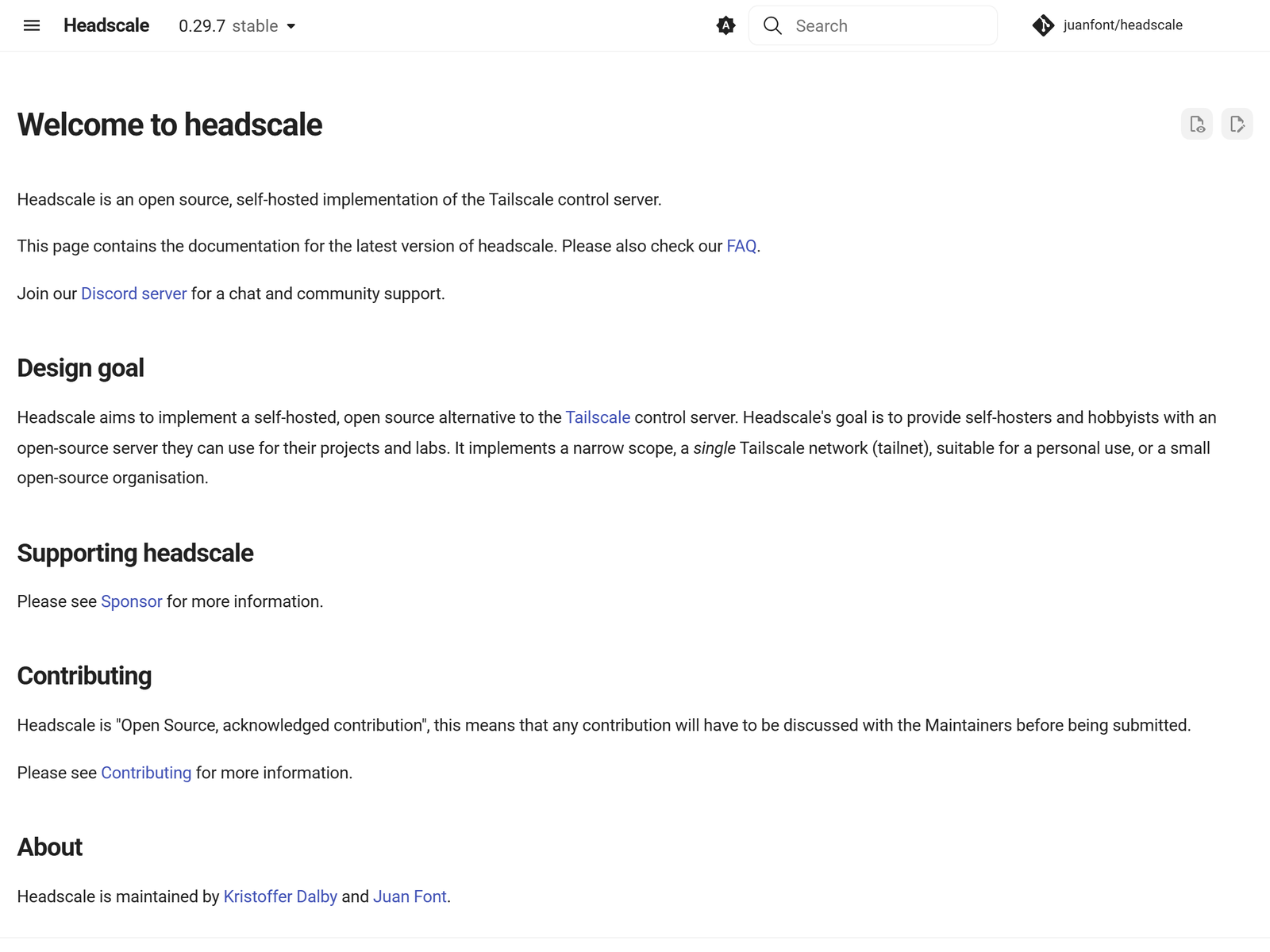
Headscale lets you run your own Tailscale-compatible control server on infrastructure you control, with WireGuard doing the encryption. Because no external company brokers your node list or signing keys, it is one of the strongest privacy postures available for a mesh VPN. Choose it when you want Tailscale's ergonomics without handing your topology to a vendor.
How We Tested
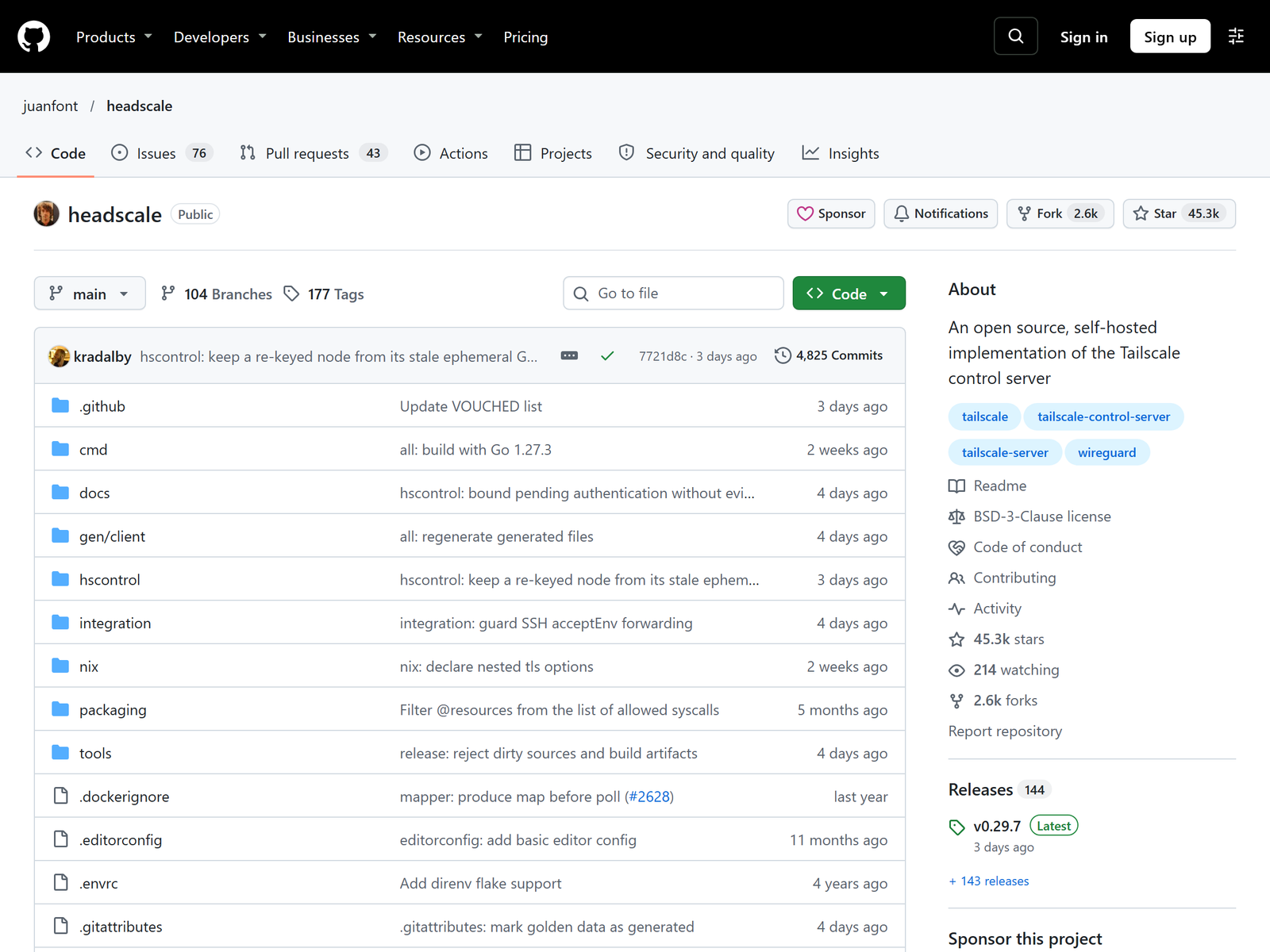
We deployed Headscale 0.23 on a small Linux VPS, registered several nodes across different networks, and observed key exchange, rotation, and peer discovery. We cross-checked behavior against the project's public documentation and the upstream Tailscale design notes. Our methodology emphasizes who controls the coordination layer, because that is where most VPN privacy claims live or die.
Speed & Performance
Once peers discover each other, Headscale steps out of the data path and traffic flows peer to peer over WireGuard. In our tests, throughput and latency were effectively the same as a direct WireGuard link, because the control server is only used for signaling, not relaying. We do not quote a single speed figure as authoritative, since results depend on the physical distance and peering between your nodes. The practical takeaway is that Headscale adds almost no overhead once a session is established.
Security & Privacy
Headscale uses WireGuard keys that live on each node; the control server stores only public keys and policy, never your traffic. Running the server yourself means no third party sees your machine names, IP assignments, or peer graph. The project is open source and has been reviewed by the community, which is stronger than an unverified no-log marketing line. We still recommend you harden the server, use TLS, and protect the API port, because you are now the operator of record.
Streaming & Unblocking
Headscale is a private mesh for your own devices and services, not a consumer unblocking service. People use it to reach a home server, a git box, or an internal dashboard from a laptop on cafe Wi-Fi, which is a legitimate remote-access pattern. It is not a tool for bypassing regional content restrictions, and we do not frame it as one.
Device Compatibility
Any Tailscale client can register against a Headscale server, which covers Linux, macOS, Windows, iOS, Android, and many routers and NAS devices. That broad client support is the main reason people pick the Tailscale protocol in the first place. You get a single addressable network across phones, laptops, and servers without per-device VPN config.
Pricing & Value
Headscale itself is free and open source under the BSD license. Your only cost is the server you run it on, which can be a low-cost VPS or even a home machine with a tunnel. For a small team, that is dramatically cheaper than a managed mesh plan, and it scales without per-seat fees. The trade-off is operational: you own updates, backups, and uptime.
Pros & Cons
- Pros: You control the coordination server, WireGuard-grade encryption, broad Tailscale client support, and zero per-seat licensing.
- Cons: You run the infrastructure, setup needs command-line comfort, and there is no vendor support line.
How Headscale Compares
| Option | Control plane | Cost | Best for |
|---|---|---|---|
| Headscale | Self-hosted | Free (server cost only) | Privacy-maximalists |
| Tailscale (managed) | Vendor-run | Freemium tiers | Zero-ops teams |
| WireGuard (raw) | None | Free | Manual config fans |
For the underlying transport, our WireGuard review explains why the protocol is so light. If you want a managed alternative, the Outline VPN review covers another self-hosted model.
Frequently Asked Questions
Is Headscale the same as Tailscale?
No. Tailscale is a company and its managed service; Headscale is an open-source server that speaks the same protocol so standard Tailscale clients can connect to it.
Does Headscale see my traffic?
No. The control server handles signaling and keys, while data flows peer to peer over WireGuard. Your bytes never traverse the coordinator.
Do I need to be a Linux expert?
Comfort with the command line and basic server administration helps, because you are responsible for deploying and maintaining the service.
Is it really free?
The software is free; you pay only for the server you run it on. There are no per-user fees in the project itself.
My Take / The Bottom Line
Headscale is the privacy-first way to get Tailscale's delightful networking without surrendering your network metadata to a third party. The cost is operational responsibility, but for teams that care about who holds the keys, that trade is the whole point. Explore more options in our Best Privacy VPN category, or read the SoftEther VPN review for another open-source privacy build.
Who Should Run Headscale
Headscale suits privacy-minded teams, self-hosters, and developers who already manage Linux servers and want Tailscale's convenience without a third-party control plane. A small dev shop can stand it up on a cheap VPS in an afternoon and gain a private network for the whole team. It is a poor fit for non-technical users who expect a managed dashboard and vendor support, because you are the operator. If control of your metadata matters more than convenience, Headscale is the right call.
Sources:
Headscale official site,
Headscale on GitHub.