How to Make Money Writing SOPs With Scribe
Category: Monetization Guide
Reviewed by the aifreetool Editorial Team — a group of full-time AI-tool researchers and writers who verify every product claim against primary sources and independent testing.
Last updated August 12, 2026.
We keep no affiliate relationship with the products covered here and earn nothing if you click through. Where a claim could not be verified, we say so.
You can make money writing SOPs with Scribe at $75 to $150 per document because the tool eliminates the part of the job that used to eat the hours. Scribe is a browser and desktop recorder that watches you click through a process and produces a formatted step-by-step guide with captioned screenshots automatically. Manual documentation of one workflow takes two to four hours of capturing, cropping, annotating, and exporting. With Scribe it takes about ten minutes. Everything you earn lives inside that gap.
What Scribe Does and What Each Tier Costs
You install the extension for Chrome or Edge, hit record, walk through a workflow once, and stop. Scribe writes the instruction text for each click and attaches the matching screenshot. The tool holds a 4.8 out of 5 rating on G2 and rebranded from scribehow.com to scribe.com in 2025, which still confuses search results.
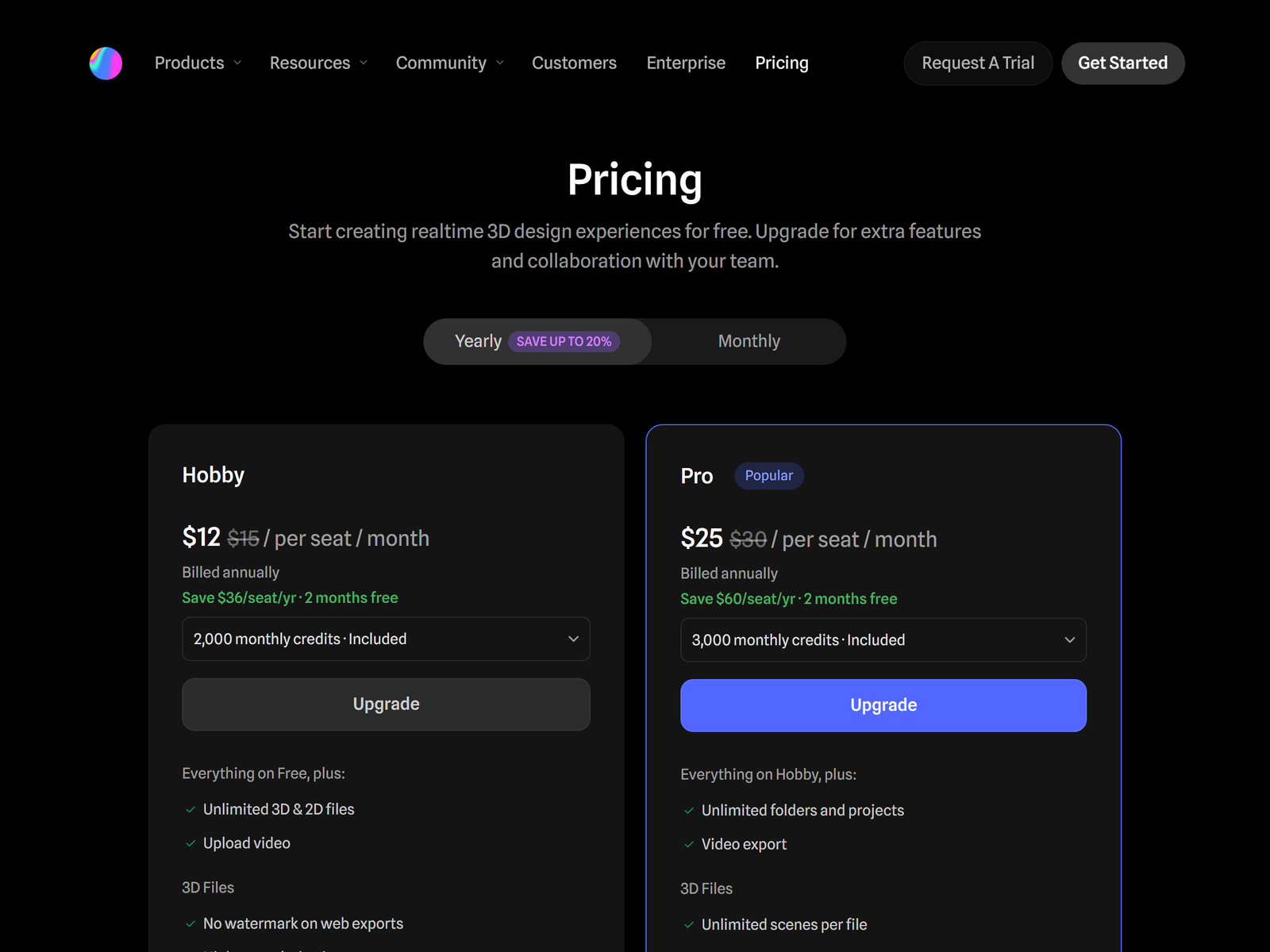
The Basic tier is free but web-only. No desktop capture, no PDF or Markdown export, no custom branding. It is genuinely useful for testing and completely unusable for paid client work, because a deliverable you cannot export or brand is not a deliverable. Pro Personal is the working tier at roughly $29 per seat monthly, dropping to about $23 to $25 on annual billing. That unlocks desktop and mobile capture, company branding, screenshot editing and redaction, and export to PDF, HTML, and Markdown. Pro Team lands near $13 to $17 per seat but enforces a 5-seat minimum, so the real entry cost is $65 or more monthly even if only you are creating.
| Tier | Price | Desktop capture | Exports | Branding | Verdict for freelancers |
|---|---|---|---|---|---|
| Basic | Free | No | No | No | Testing only |
| Pro Personal | ~$29/mo, ~$25 annual | Yes | PDF, HTML, Markdown | Yes | The right choice |
| Pro Team | ~$13-17/seat, 5-seat min | Yes | Yes | Yes | Skip until you hire |
| Enterprise | Custom | Yes | Yes | Yes | Client's problem, not yours |
One Pro Personal seat is $300 a year. A single 10-document SOP package bills at $800 to $1,500. Your tooling cost is under a third of one project.
The Offer: An Operations Manual, Not "Documentation"
Nobody wakes up wanting SOPs. They wake up angry that the same question got asked for the fourth time this week, or that a staff member quit and took the refund process with them. Sell the outcome. My standard pitch line is: I will document your 15 most-repeated processes so a new hire can run them on day two without interrupting you.
The buyers who move fastest are e-commerce operators, marketing agencies with contractor churn, property managers, dental and veterinary clinics, and bookkeeping firms. These are businesses with five to forty staff, high turnover in admin roles, and no internal ops person.
- Single SOP: $75 to $150 depending on complexity and how many systems it spans.
- Starter pack, 10 SOPs: $800 to $1,500, delivered in two weeks.
- Full onboarding manual, 25 to 40 processes: $2,000 to $4,000, four to six weeks.
- Maintenance retainer: $300 to $800 monthly to keep documents current as software changes.
Part-time, one starter pack plus one retainer is $1,100 to $2,300 a month. Full-time with three retainers and a rolling project pipeline puts you in the $4,000 to $6,000 range. The retainer is the part that matters, because software UIs change constantly and every screenshot in every guide eventually goes stale. That is recurring revenue built into the product.
Running the Engagement Without Access Nightmares
- Discovery call, 45 minutes. Ask what question the owner answers most often. Write down every process they name. That list is your scope.
- Get scoped access, not admin. Request a read-only or limited test account inside each system. Sign an NDA first. Never accept a client's personal password over chat.
- Screen-share capture sessions. Have the staff member who actually does the job walk through it while you record with Scribe. You capture, they narrate. Two hours of sessions yields eight to twelve guides.
- Redact before you export. Scribe's Pro tier allows manual redaction of screenshots. Blur customer names, account numbers, and internal pricing on every single frame. Auto-redaction of personal data is an Enterprise feature, so on Pro this is a manual discipline you cannot skip.
- Deliver branded PDFs plus a live index. Export each guide to PDF with the client's logo, then build one shared page linking to every live Scribe so updates propagate automatically. The PDF is what they feel they bought; the live links are what keeps them subscribed to you.
Key Takeaways
- Pro Personal is the only sensible tier for solo work; the 5-seat Pro Team minimum is a trap for freelancers.
- Price per document or per package, never hourly, because Scribe cuts your hours by 90% and hourly billing punishes you for it.
- Scribe is screenshot-based with no video recording, so pair it with a screen recorder for anything that needs motion.
- Redaction is a manual step on Pro. Build it into your checklist or you will leak client data.
Frequently Asked Questions
Do I need industry expertise to document a process? No, and that is the point. The client's staff supply the knowledge during capture sessions. You supply structure, consistency, and the discipline to finish.
Where do I find the first client? Upwork listings for "SOP writer" and "process documentation" run continuously. Beyond that, online business manager and virtual assistant communities refer this work constantly because VAs get asked for it and do not want to build it.
How is this different from just recording a Loom? A video cannot be skimmed, searched, translated, or updated in one step. When a button moves, you re-record one Scribe step instead of the whole video. Clients who have tried the video route are the easiest to close.
Can the client edit the guides after I hand them over? Yes, if the documents live in their own Scribe workspace. Decide up front: build in their account, or build in yours and export. Building in theirs is cleaner and makes the retainer an access question rather than a hostage situation.
What if the client's software is desktop-only? Pro handles desktop capture on Windows. The free Basic tier does not, which is another reason to skip it.
My Take: The Bottom Line
Process documentation is unglamorous, and that is exactly why it pays. There is no crowd of creators rushing into SOP writing the way they rush into video editing, so the freelance supply stays thin while demand grows with every small business that hires its third employee. The work is also genuinely hard to automate away, because the bottleneck was never screenshot production. It was getting a busy owner to sit still and explain how anything works.
My honest reservation is that this business is sales-limited, not delivery-limited. You will spend more energy convincing owners the problem is worth $1,200 than you will spend documenting. If cold outreach makes you miserable, partner with a bookkeeper or a fractional operations consultant who already sits in front of these clients and split the fee. For a side-by-side look at Scribe against other documentation and screen-capture options, the listing at https://aifreetool.site/tool/scribe/ covers the current feature comparison.