How to Make Money Creating Game Assets With Scenario in 2026
Category: Monetization Guide
Reviewed by the aifreetool.site editorial team. This is an independent guide with no affiliate links — we never earn a commission if you sign up for the tools we cover.
Quick answer: In 2026, you can make money creating game assets with Scenario by training custom AI models on a client's existing art and generating style-matched characters, items, environments and UI at volume, then selling asset packs or per-project commissions to indie developers and tabletop creators. A part-time operator charges $50 to $300 per asset pack or $300 to $2,000 a month in retainers, and Scenario's paid plans start at $15 a month for 1,500 credits, with custom model training included from $45 a month.
What Scenario is and why game teams need it
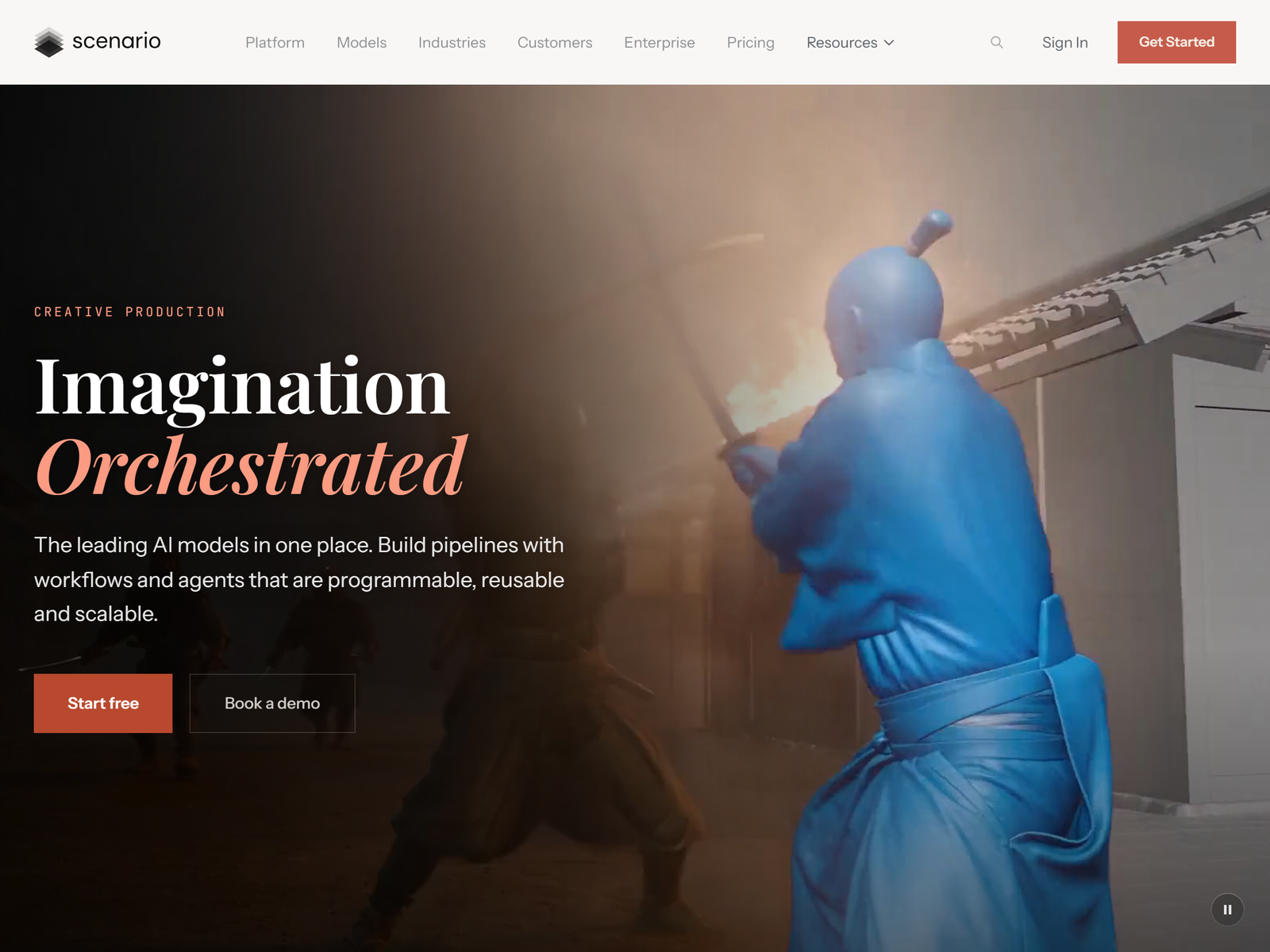
Scenario is an AI creative platform built specifically for game-asset production. Its headline feature is custom model training: you upload 20 to 50 of a client's own reference images and it trains a model that generates new assets in exactly that style. That solves the real bottleneck in game art — keeping hundreds of sprites, icons and tiles looking like they came from one artist. The platform also bundles 500-plus models from 50-plus providers, image-to-image, inpainting, upscaling, background removal, and a REST API with Unity and Unreal Engine plugins so generation can run inside a studio's pipeline. The free tier gives 50 daily credits for evaluation only, with no commercial licence.
If you want the full feature rundown, our Scenario review on aifreetool.site compares it against rivals like Leonardo and Meshy.
The monetization idea: style-matched asset production
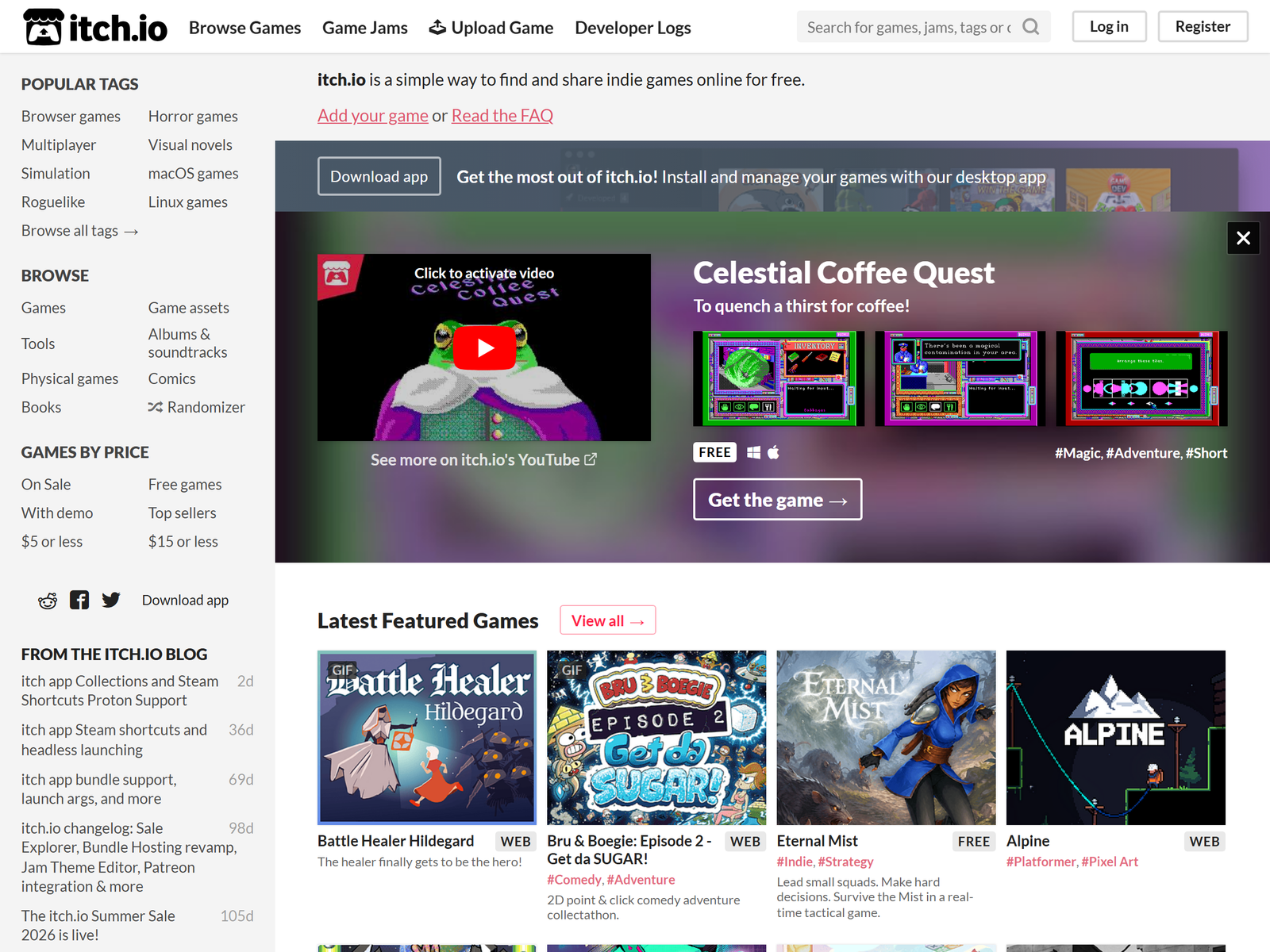
The buyer is never "people who want pictures" — it is small game studios and tabletop creators who already have a look but cannot produce volume. Your offer is: "Send me your character art, and I will train a model and deliver 50 on-style NPCs, items or tiles." You can also sell pre-made asset packs on marketplaces.
- Indie studios: a $150 to $300 character-and-item pack that stays on-model across a content drop.
- Tabletop and RPG creators: $50 to $150 for token art, maps and card frames in a consistent style.
- Marketing and store art: $80 to $200 for key art and ad variants locked to the game's art bible.
A realistic part-time income is $300 to $2,000 a month once you hold two to four studio or creator clients, because each engagement is a train-plus-generate project, not a one-off image.
Step-by-step: launch the asset service in two weeks
- Practice on the free tier. Use the 50 daily credits to learn prompt and reference behaviour and produce sample assets from public art styles.
- Pick a niche. "AI game art" is vague; "pixel-art item icons for roguelikes" or "cel-shaded character tokens for TTRPGs" is not.
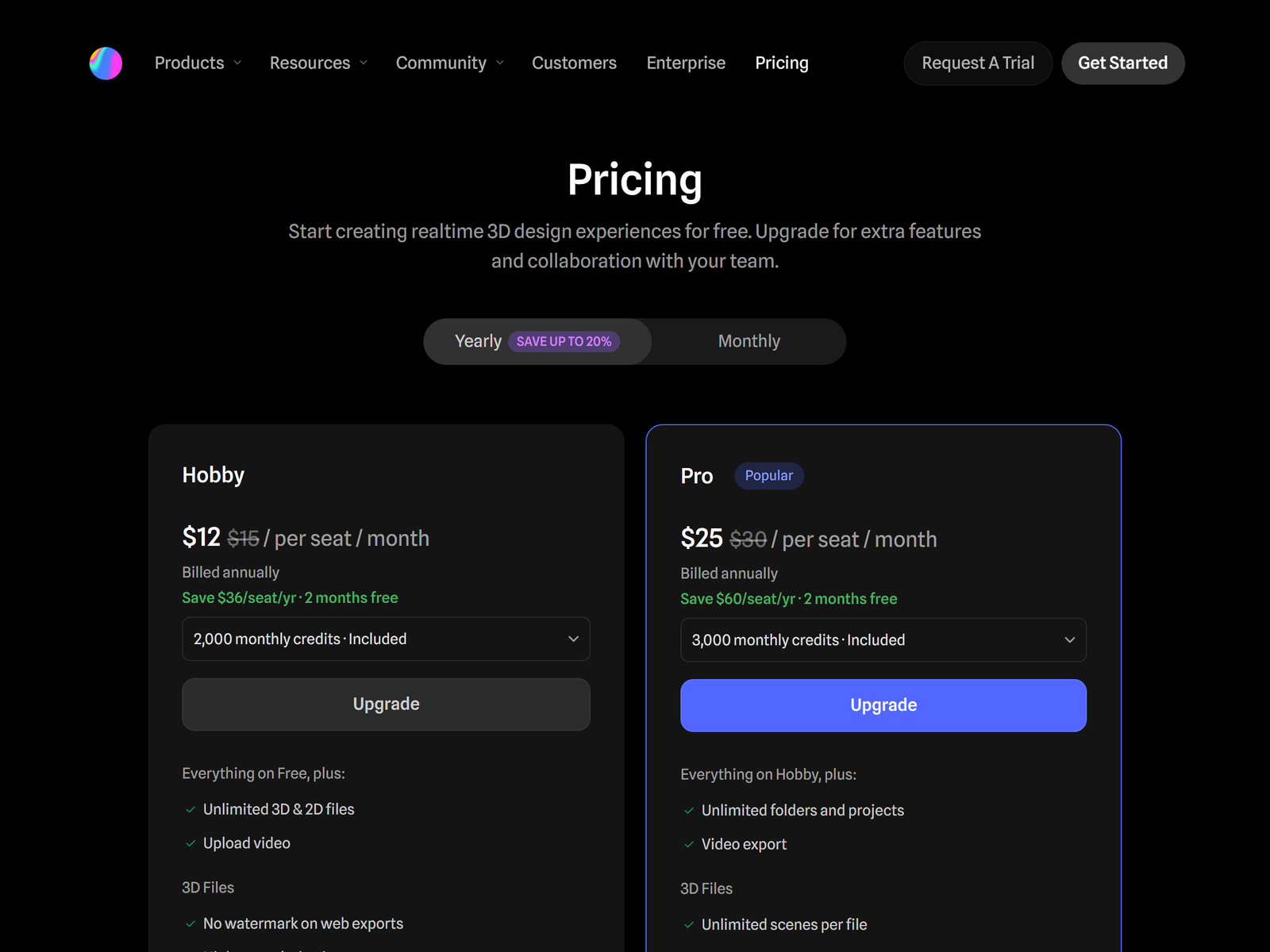
- Upgrade for training. The Starter plan is about $15 a month for 1,500 credits but generation only. The Pro plan at roughly $45 a month ($30 annually) adds 5,000 credits and custom model training — the tier you need to deliver the service.
- Build a portfolio. Train one demo model on a public style and publish a 20-asset sample sheet.
- Land clients. Post in indie-dev communities and list a "custom AI asset model for your game" gig on Fiverr, offering a discounted first training.
Scenario plans and what they unlock
| Plan | Monthly price | Credits | Commercial licence |
|---|---|---|---|
| Free | $0 | 50/day | No (evaluation only) |
| Starter | ~$15 | 1,500 | Yes (generation) |
| Pro | ~$45 | 5,000 | Yes + custom training |
| Max | ~$75 | 10,000 | Yes + teams |
Client and quality management
Manage expectations around what custom training delivers. Training takes 10 to 30 minutes per model and needs 20 to 50 clean, consistent reference images, so part of your job is curating the client's existing art. Output is excellent for characters, items and environments but sprite-sheet frame consistency still needs light manual cleanup. You own what you generate, and the client should own the trained model, so deliver the model file and document how to re-run it.
Pro tips and pitfalls to avoid
- Always train one model per client; reusing your own model across competing games breaks the "on-style, exclusive" pitch.
- Price by project, not per image, because a single trained model can produce hundreds of assets — per-image billing leaves money on the table.
- Keep generations inside the client's approved style; the value is consistency, not novelty.
- Buy annual billing on Pro to cut roughly a third off the monthly cost if you will use it year-round.
Who this is and is not for
Game-asset production suits people comfortable with art direction and talking to developers, even if they cannot draw. It is a poor fit if you want quick one-off images — the money is in repeatable, style-locked volume, which takes setup. In 2026 game and tabletop creation keeps booming, and studios of every size need art faster than they can hire, so demand for on-style asset services is strong.
See the Scenario tool page on aifreetool.site for the full breakdown, and browse the Monetization Guide category for related playbooks. More AI tool guides live at aifreetool.site.
My Take / The Bottom Line
Scenario is the most defensible entry point into selling AI game art because its custom model training does something general image tools cannot: lock a client's exact style across hundreds of assets. The free tier lets you learn risk-free, and the $45 Pro plan — with training included — is all you need to start billing studios. Best for art-directed operators who can land a few indie or tabletop clients; the trade-off is that the free tier is evaluation-only with no commercial licence, so you must be on a paid plan before you sell, and sprite-sheet frames still need cleanup. Land two to four engagements at $150 to $500 each and $300 to $2,000 a month is realistic, which is strong return on a sub-$50 software bill.
Frequently Asked Questions
Is the Scenario free tier enough to start selling?
No. The free tier gives 50 daily credits for evaluation and personal use only, with no commercial licence. You need at least the $15 Starter plan for commercial generation, and the $45 Pro plan for custom model training.
How much does Scenario cost to run an asset service?
The Pro plan is about $45 a month for 5,000 credits and custom model training, which is the practical minimum. Heavy 3D or video generation burns credits faster, so budget the Max plan at $75 a month for high volume.
Do clients own the trained model and assets?
Yes. You own what you generate, and the client should own the trained model. Deliver the model and document how to re-run it so they are not locked to you.
Where do I find game-asset clients?
Post in indie-developer communities and tabletop creator spaces, and list a "custom AI asset model for your game" gig on Fiverr. A discounted first training earns reviews that compound into studio retainers.
Is Scenario better than Leonardo for game art?
Leonardo is cheaper and simpler for one-off concept art, but it lacks per-style custom training. Scenario wins when a client needs hundreds of on-style assets, which is exactly the service play here.
Get started at Scenario's official site, find indie clients on itch.io, and list asset gigs on Fiverr.