How to Make Money Selling AI Game Art With Leonardo.AI
Category: Monetization Guide
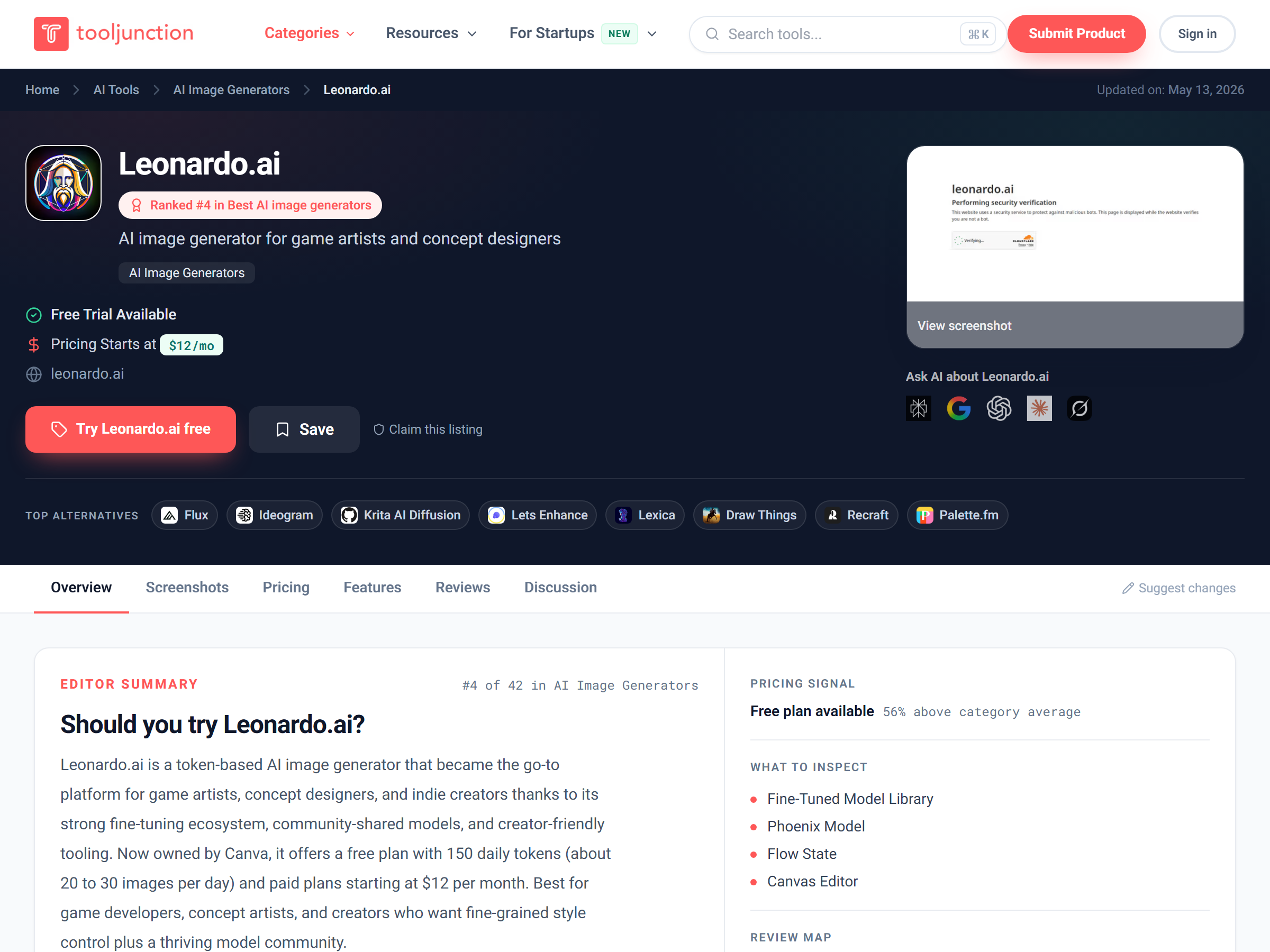
You can make money selling AI-generated game art, character sheets, and concept assets with Leonardo.AI, even if you have never opened Photoshop. Independent creators are quietly earning $300 to $1,500 a month by turning this browser-based image generator into a small art-service business on Fiverr, Upwork, and Etsy. Leonardo.AI is not a toy: it is the creative platform Canva acquired in 2024, and it ships fine-tuned models built specifically for game and concept art.
Tool at a Glance: What Leonardo.AI Actually Does
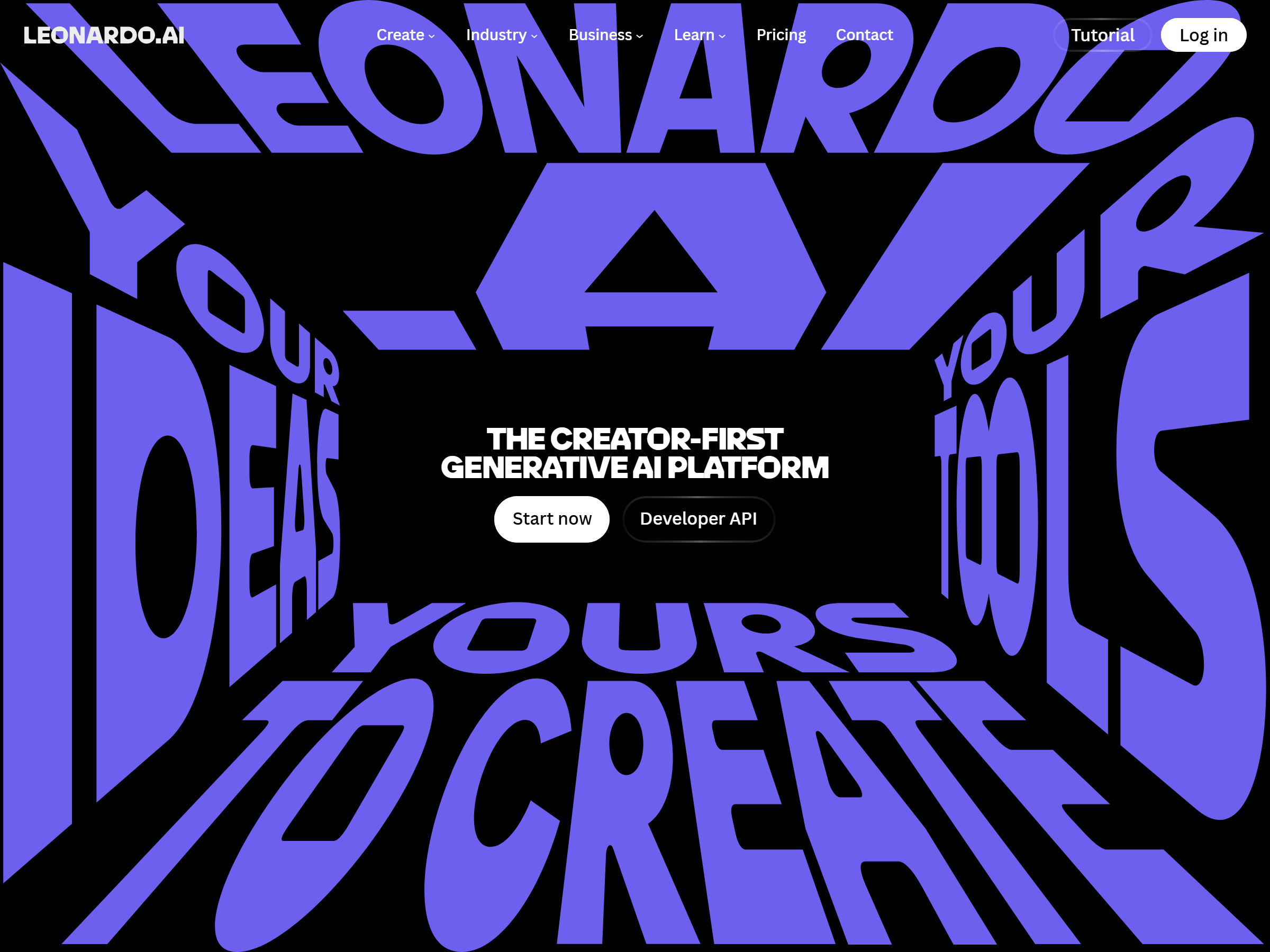
Leonardo.AI is a web app that turns text prompts into images, but its real edge is specialization. Unlike a general generator, it offers more than 20 fine-tuned models: Phoenix for all-purpose work, Kino XL for cinematic looks, Anime XL for illustrated styles, plus dozens of community models for isometric tiles, pixel art, and character concept art.
Three features matter most for a paid service. First, the Real-Time Canvas lets you paint and watch the AI fill in the result live, which clients love in screen-recorded demos. Second, Character Reference keeps one character consistent across dozens of poses and outfits, essential for game sprite sheets. Third, custom model training lets you upload 20 or more reference images and lock a brand or art style, so every deliverable looks like it came from the same studio.
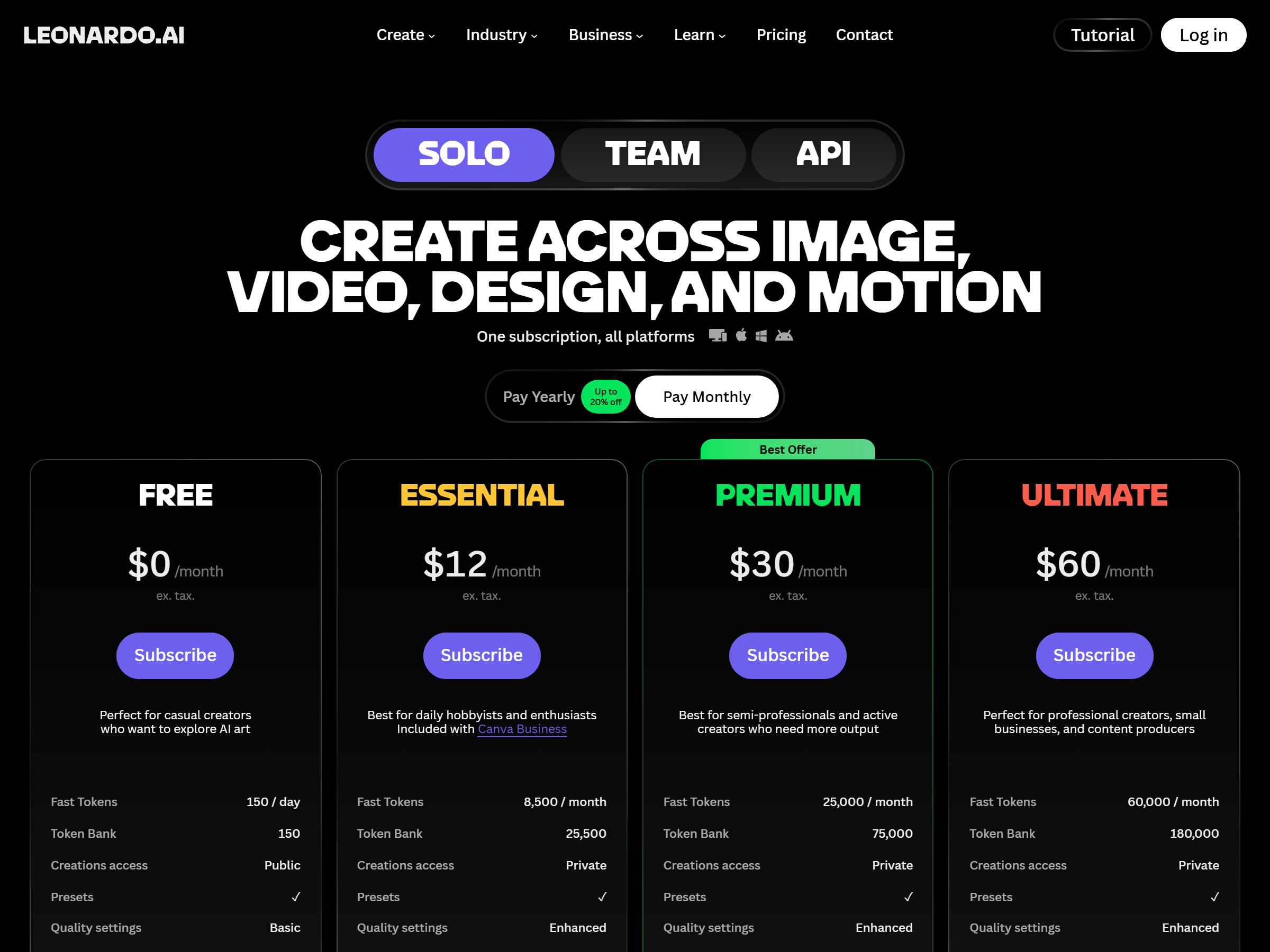
The free plan gives 150 tokens per day, but those images are for personal use only and carry no commercial rights. Paid plans unlock commercial licensing, private generations, and far larger token pools.
The Monetization Idea: Selling AI Game Art as a Service
The cleanest offer is "game-ready asset packs." Indie studios on itch.io and small game teams constantly need characters, environments, items, and UI icons but cannot afford a $2,000-a-month art agency. You produce those with Leonardo.AI and sell them as fixed-price packs or per-asset commissions.
A second angle is consistent character art for authors, streamers, and tabletop creators who need a mascot rendered in 10 poses. A third is print-on-demand: generate original illustrations, upload them to Etsy as posters or t-shirts, and let the platform handle fulfillment. Most people in this niche start at $15 to $50 per asset and move up to $150 to $400 for a full 10-piece character sheet.
Realistic part-time income lands between $300 and $1,500 a month once you have five to ten repeat clients. Full-time artists who train custom models and run bulk generation push past $3,000, but that is the exception, not the baseline.
Step-by-Step: From Sign-Up to Your First Paid Client
- Create a free Leonardo.AI account and burn through the 150 daily tokens for a week to learn which models fit your style.
- Upgrade to the Apprentice plan at $12 a month the moment you land commercial work, because it grants commercial rights and 8,500 monthly tokens.
- Pick one narrow niche (fantasy character portraits, sci-fi environments, or pixel-art items) instead of "all art."
- Build a 12-image portfolio on a free Carrd or Behance page so prospects see real samples.
- Post three gigs on Fiverr: a $20 single asset, a $75 character sheet, and a $250 pack of 20 environment tiles.
- Deliver the first five orders fast and ask each buyer for a review before raising prices.
The whole setup costs under $15 in the first month. The bottleneck is never the tool; it is writing a gig description that proves you understand the buyer's game, not just prompts.
Pricing: Which Plan You Actually Need
| Plan | Monthly cost | Tokens | Best for |
|---|---|---|---|
| Free | $0 | 150/day | Learning; personal use only |
| Apprentice | $12 | 8,500/mo | First paid client, commercial rights |
| Artisan | $30 | 25,000/mo | Custom model training, steady volume |
| Maestro | $60 | 60,000/mo | Studios, bulk generation |
Start on Apprentice. Move to Artisan at $30 only when you train a custom model for a recurring client or generate more than 500 images a week. Annual billing saves about 20 percent if you are committed.
Client Management and Quality Control
Set expectations before you accept a job. Leonardo.AI will not match a client's existing copyrighted style exactly, and hands, text, and complex anatomy still glitch on hard prompts. Tell buyers you deliver "AI-assisted concept art," not "final production sprites," and charge extra for upscaling to 4K with the Universal Upscaler.
Watermark every preview you send. Deliver clean PNGs only after payment clears. Keep token receipts so you can price jobs by generation cost: an Apprentice plan works out to roughly 0.04 cents per base image, so a $50 asset carries almost pure margin.
Pro Tips and Pitfalls to Avoid
- Train one custom model per niche; a focused style beats a generic one when buyers compare gigs.
- Use Character Reference for any recurring mascot so the client recognizes the same face every time.
- Do not promise an exact replica of an existing IP; that is both a quality failure and a legal risk.
- Avoid the Maestro plan early; most solo sellers never exhaust 25,000 tokens a month.
The biggest trap is underpricing. Buyers on Fiverr already pay $40 to $120 for single game assets from human artists, so pricing your AI work at $15 trains the marketplace to treat you as cheap. Start mid-range and let reviews justify increases.
Realistic Expectations: Who This Is For
This works best for someone who already enjoys games or illustration and can write a clear brief. It is a poor fit if you expect passive income with zero client communication, because every sale here is a service, not a product you set and forget. You also need basic Photoshop or Photopea skills to composite assets, since raw generations rarely drop straight into a game engine.
My Take / The Bottom Line
My take: Leonardo.AI is the most practical image tool on the market for a one-person art hustle, because its game-art models and custom training solve a real, paid problem instead of generating pretty wallpapers. The catch is that your margin comes from niche focus and client trust, not from the generation itself. If you treat it like a design studio with one specialist tool, $500 to $1,500 a month is reachable within three months. If you treat it like a passive money printer, you will quit after your first refund.
For a deeper look at the tool's features and pricing, browse Leonardo.AI on aifreetool.site before you sign up.
FAQ
Is Leonardo.AI free to use commercially?
No. The free plan is personal use only and grants no commercial rights. You need at least the $12 Apprentice plan to sell what you generate, and you should keep proof of that subscription for client contracts.
How many images can I make on the Apprentice plan?
Apprentice gives roughly 8,500 monthly tokens plus your daily free refill. A standard image costs a few tokens, so most sellers produce 500 to 1,500 base images a month before upscales and custom training.
Can I sell the same art to multiple clients?
Yes, unless you sign an exclusivity clause. Many sellers license a generic asset pack repeatedly on Etsy while reserving custom, client-specific work for commissions. Just never resell a buyer's privately trained custom model output as your own stock.
Do I need to know how to draw?
Not traditionally, but you need taste and editing skill. Leonardo.AI handles generation; you still decide composition, fix broken details in Photopea, and present the result professionally. Buyers pay for the finished, usable asset, not the prompt.