How to Make Money Offering Editing Services With Grammarly
Category: Monetization Guide
You can make money offering editing services with Grammarly, and a part-time operator realistically earns $500 to $1,800 a month after software. The work is taking a client's raw draft, emails, or manuscript and returning clean, correct, professional writing, then charging for the pass, the rewrite, and the consistency check. Your tool bill is about $12 a month, and you invoice $40 to $200 per document. Last updated August 21, 2026 by the aifreetool editorial team. We verified every price on the vendor's pricing page in August 2026; this is an editorial guide and carries no affiliate links.
Quick answer: you are selling error-free, on-brand writing, not access to the software. The buyers who say yes are non-native English speakers, students with essays, self-published authors, and businesses whose emails and proposals read sloppy.
Grammarly is covered on the Grammarly profile on aifreetool.site, and it is the most-used AI writing assistant on the market. The full feature set and live plans are on the official Grammarly site. Here is the plan, the pricing, and the parts that go wrong.
What Grammarly Does and What It Costs
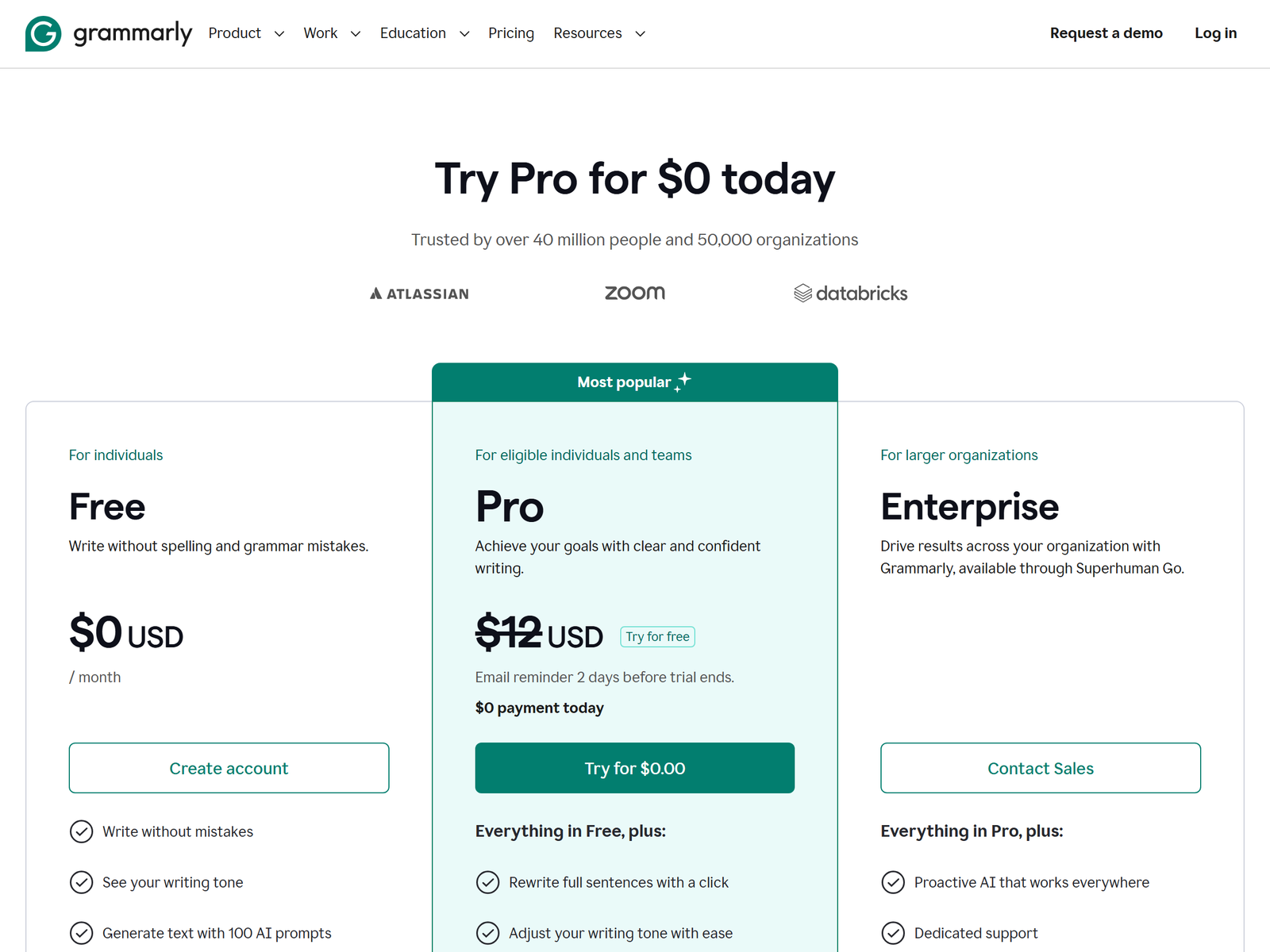
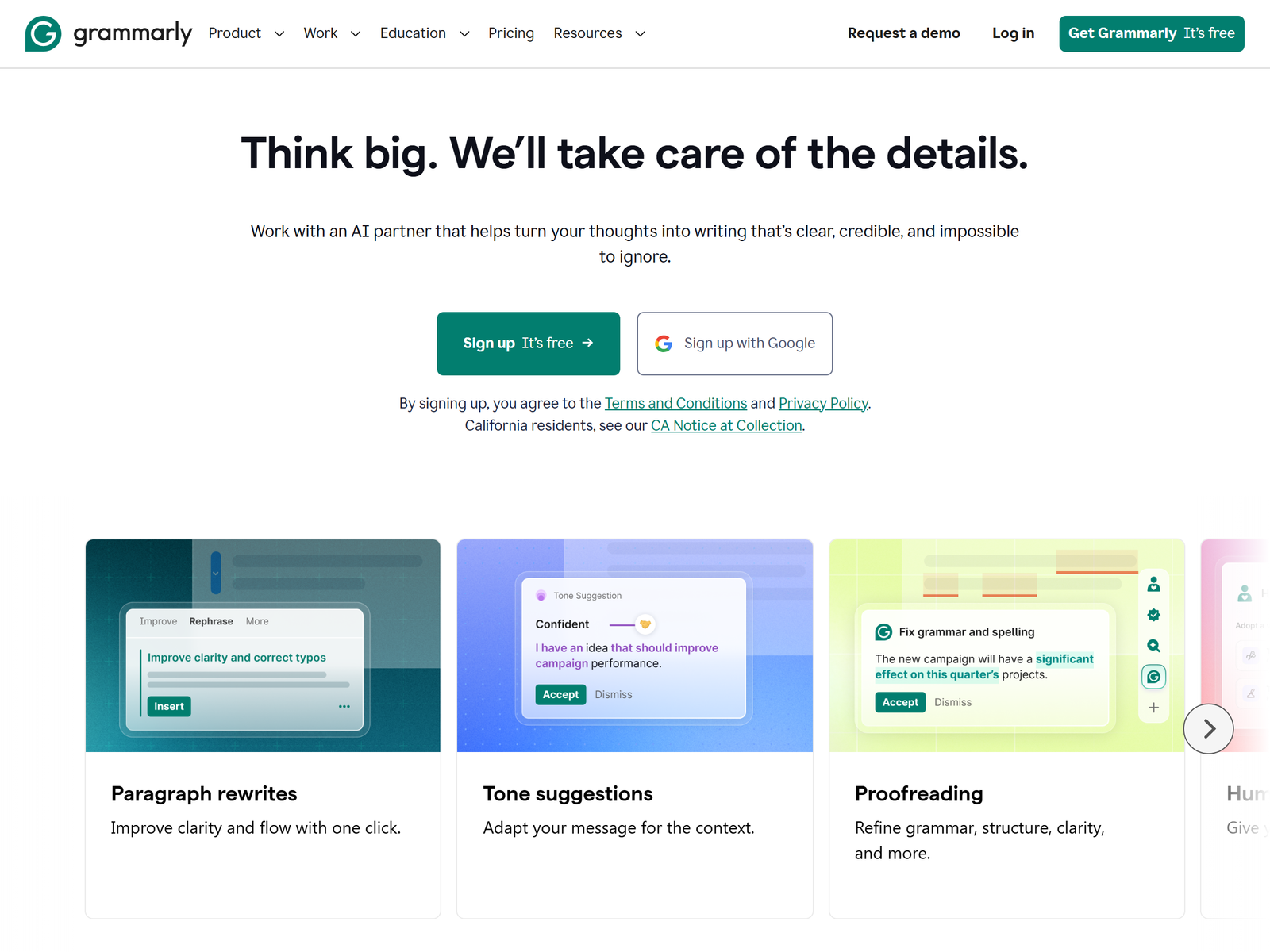
Grammarly checks grammar, spelling, punctuation, clarity, tone, and formality in real time across 500,000-plus apps and sites through its browser extension, and it integrates natively with Google Docs and Microsoft Word. Premium adds full-sentence rewrites, a plagiarism checker against 100 billion web pages, and vocabulary suggestions. GrammarlyGO adds generative prompts for rewriting and tone shifts. A professional human editor runs $30 to $60 an hour, so the tool is your always-on first pass.
| Plan | Monthly (annual) | What you get | Best for |
|---|---|---|---|
| Free | $0 | Grammar, spelling, tone, 100 AI prompts | Basic personal editing |
| Premium | $30 / month ($12 annual) | Rewrites, clarity, plagiarism, 1,000 prompts | Paid client work |
| Business | $25 / seat / month (annual) | Brand tones, style guides, analytics | Teams, 3+ seats |
Premium at $12 billed annually is the floor for paid work: the plagiarism checker and full-sentence rewrites are exactly what a paying client expects, and the $12 is a rounding error next to a $120 invoice. The free plan is fine for your own drafts but lacks the rewrite depth a client can feel. Move to Business at $25 a seat only when you serve a team that needs a shared brand tone and style guide.
The Service You Sell and What It Pays
Sell an editing or proofreading package, not "a grammar tool". Price by the document length and the depth of the pass.
- Proofread pass: $20 to $60. Catch errors in an email sequence or a short proposal.
- Rewrite and polish: $60 to $150. Take a rough draft to clear, confident prose.
- Student essay pack: $40 to $120. Polish an application or a term paper (ethics limits apply).
- Business tone retainer: $150 to $500 a month. Keep a small team's client emails on-brand.
- Manuscript cleanup: $200 to $800. A full pass on a self-published book chapter set.
Two retained clients at $150 to $500 plus one-off documents put you between $600 and $1,600 in revenue against a $12 tool bill. Realistically a part-timer handles ten to twenty documents a month, because each is a paste, a review, and a report, not a ghostwrite. The buyers who say yes fastest are ESL founders, indie authors, agency account managers, and coaches whose proposals lose deals over typos.
Step-by-Step: From Free Plan to First Paid Client
- Open the free plan and run three of your own documents to learn the suggestions and the rewrite panel.
- Pick a lane: business proofreading, student polish, or author manuscript cleanup.
- Build a before-and-after: a typo-ridden email versus your corrected, confident version.
- Send a sample edit plus a one-page price sheet, then ask for a paid $50 document.
- Paste the client's draft, accept the real fixes, rewrite the weak sentences by hand.
- Run the tone check so the voice matches the reader, not a robot.
- Deliver the tracked-changes file plus a short note on the three biggest fixes.
- Offer a monthly retainer the moment they ask for "the rest of the inbox".
- Upgrade to Premium at $12 the week you sign a paying client, because the free plan lacks rewrites.
Quality Control and the Pitfalls
Grammarly occasionally over-corrects or misreads technical context, so never accept a suggestion blindly; keep the author's meaning even when the tool flags a "clearer" option, because a wrong rewrite is worse than a typo. The second trap is scope: clients will hand you a 40-page mess and call it "a quick proof". Quote per word or per document, not per hour, so a long manuscript pays fairly. Finally, set an ethics line in writing. You polish and correct, you do not write the student's exam or essay from scratch, because that crosses from editing into cheating and burns your reputation.
FAQ
Is Grammarly Premium worth $12 if I use QuillBot?
For client proofreading, yes. Grammarly's real-time checks across email, Docs, and Word are the standard buyers recognize, and the plagiarism checker closes the sale. If you have a paying client, the $12 is tiny next to the invoice.
Can I use Grammarly output commercially for client work?
Yes. You own the edited document you produce on a paid plan. The client still owns their ideas; you deliver the corrected file and the notes.
How many clients before I need Business?
Ten to twenty documents on Premium is plenty. Move to Business at $25 a seat only when a team needs a shared brand tone and style guide.
Should I rewrite a student's whole essay?
No. Polish grammar, clarity, and flow, but leave the ideas and the voice theirs. Writing it for them crosses an academic line and risks your name.
How long does one document edit take?
Roughly 10 to 30 minutes of review, rewrite, and report per short document, against an hour of manual proofing. That speed is the offer.
My Take: The Bottom Line
The software is not the moat. Anyone can pay $12. What clients pay for is a person who reads the draft, fixes what is actually wrong, and returns writing that sounds like the author at their best. Grammarly catches the errors; you do the judgment, the restraint, and the delivery.
My honest read: this is the lowest-overhead writing business in this category because the tool cost is nearly nothing, the demand is constant, and every non-native founder and self-published author needs a second pair of eyes. It is a poor fit for anyone who dislikes reading other people's writing, and it is not passive income. The tool profile is at the Grammarly page on aifreetool.site, current plans are on grammarly.com/pricing, and more playbooks sit in our Monetization Guides. Open the free plan tonight, edit three documents, and charge for the first real client tomorrow.