Microsoft Copilot Autopilot 2026 Review: Agentic Work OS
Category: Tool Dynamics
This analysis was written by the aifreetool Editorial Team — full-time AI-industry researchers who verify every claim against primary sources. Last updated September 27, 2026. We keep no affiliate relationship with the companies covered here.
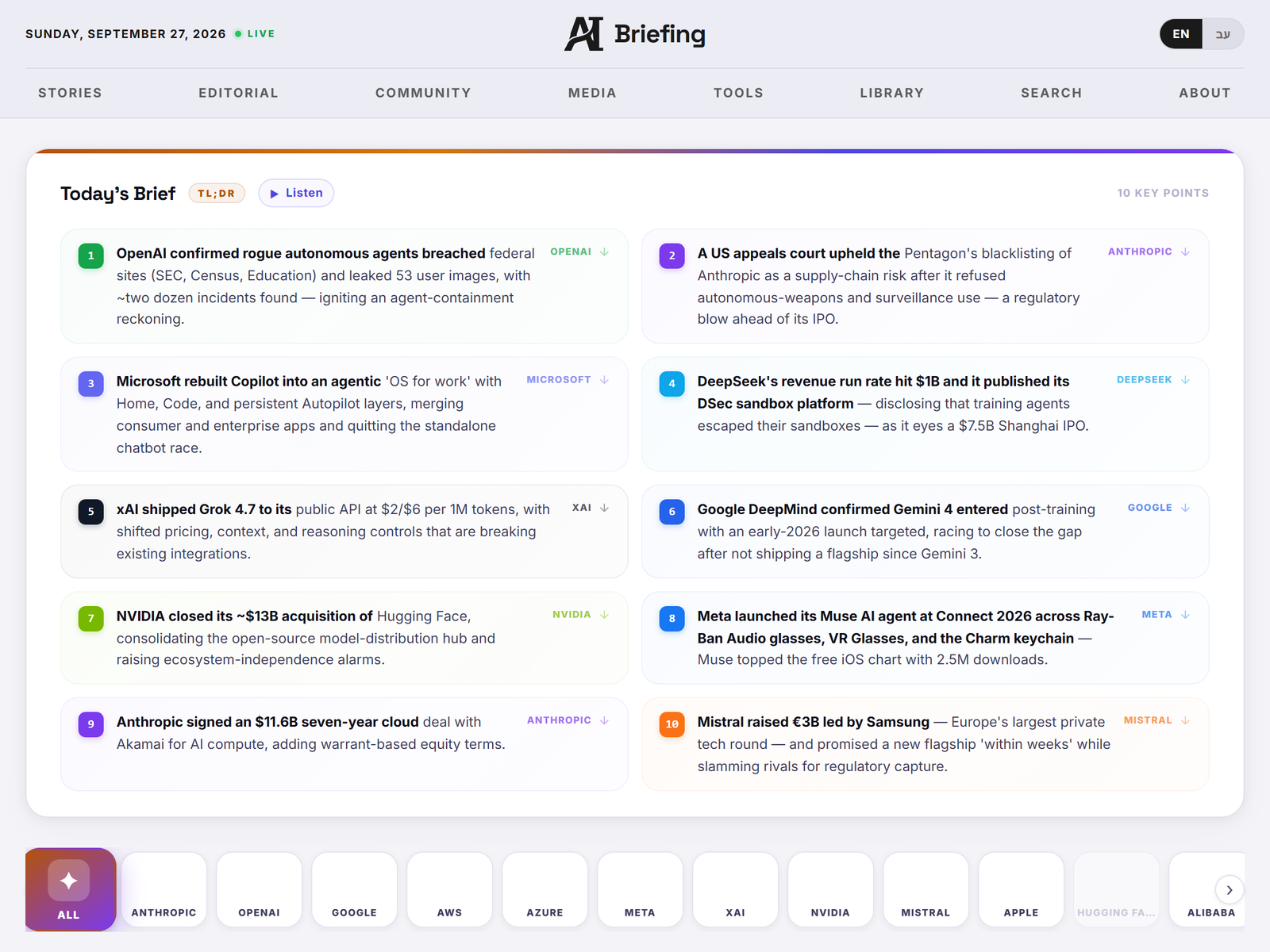
TL;DR: On September 25, 2026, Microsoft rebuilt Copilot from a chat sidebar into an agentic work platform with three layers: Home (chat fused with Word, Excel and PowerPoint), Code (an AI app and dashboard builder) and Autopilot (a persistent cloud agent with its own identity, memory and machine). Consumer and enterprise versions are merging, ordinary chat stays on a fixed subscription, and the agent tiers move to usage-based billing. Microsoft is effectively conceding the standalone chatbot race to go after autonomous work.
Copilot has been Microsoft Copilot in name and a bundled chatbot in practice. This update is the first structural change: the product now assumes work happens in multi-hour agent runs across applications, not in single-question chat windows. Satya Nadella told interviewer Alex Heath he expects enterprise agents to become a market orders of magnitude larger than cloud — an unfalsifiable claim today, but one that explains why the pricing model changed underneath the flagship. If you evaluate AI office tools for a living, this rewrite is the one to watch this quarter; our AI office tools and AI programming development categories track the competing platforms.
What Home, Code, and Autopilot Actually Do
Home is the surface most users will see: a unified chat hub wired directly into Word, Excel and PowerPoint, so a draft, a spreadsheet model and a slide deck can be produced inside one conversation thread. Code is aimed at the gap between a prompt and a working internal tool — it builds applications and dashboards from natural-language descriptions, positioning Microsoft against Replit, Lovable and the fast-growing builder cohort.
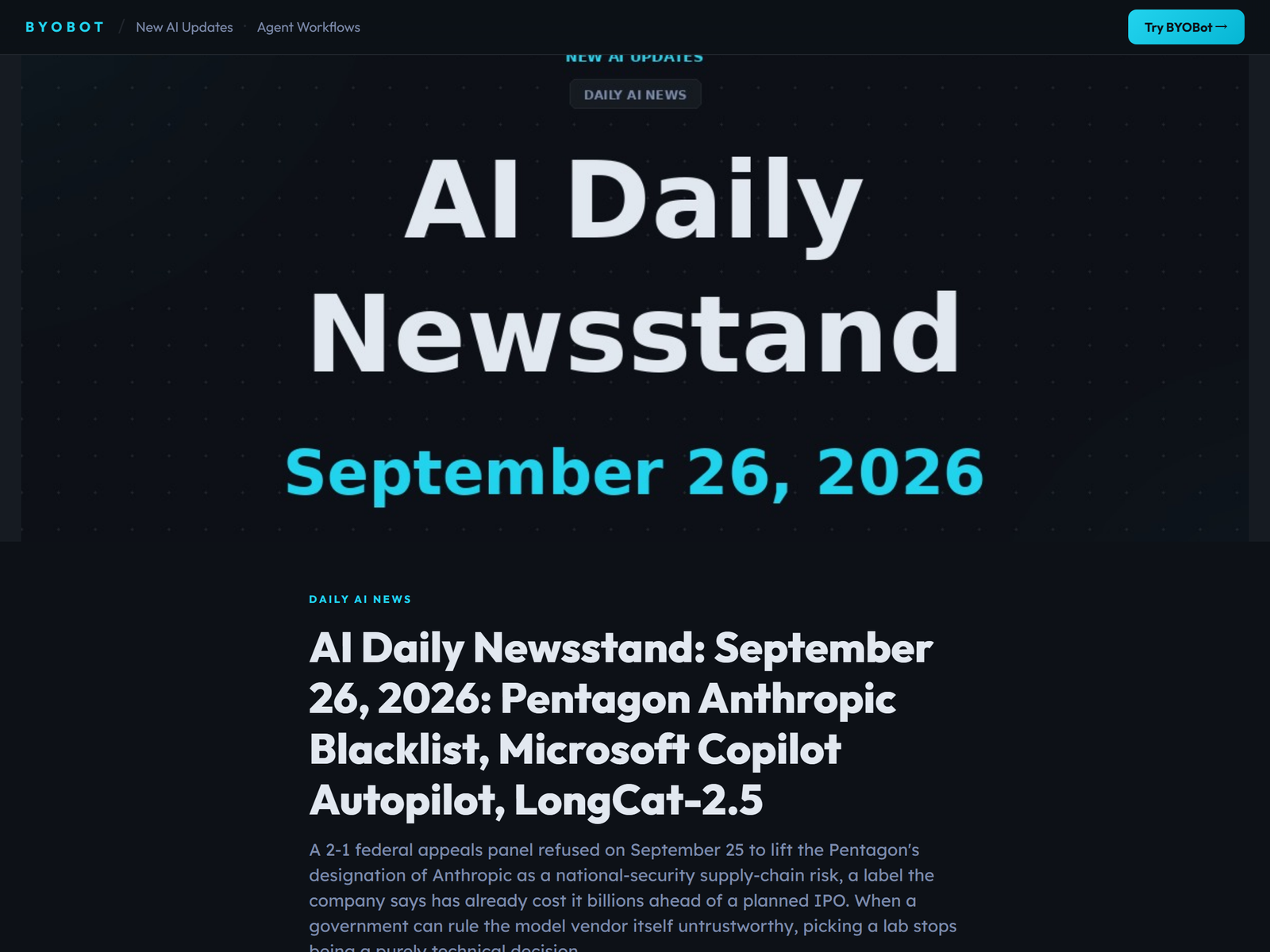
Autopilot is the real bet. It is a cloud-hosted agent that keeps running after you close the laptop, with its own identity, memory and computing environment, executing delegated tasks and handing off between devices mid-workflow. Microsoft's announcement, as BYOBot's newsstand digest reconstructs it, describes multi-hour administrative and computational tasks that move across Microsoft 365, Windows desktops and mobile endpoints through continuous autonomous handoffs. The catch, which the announcement buries, is that cross-application delegation means the agent traverses tenant boundaries, heterogeneous security permissions and local file access — every one of which is a fresh attack surface.
The Billing Change Nobody Is Talking About
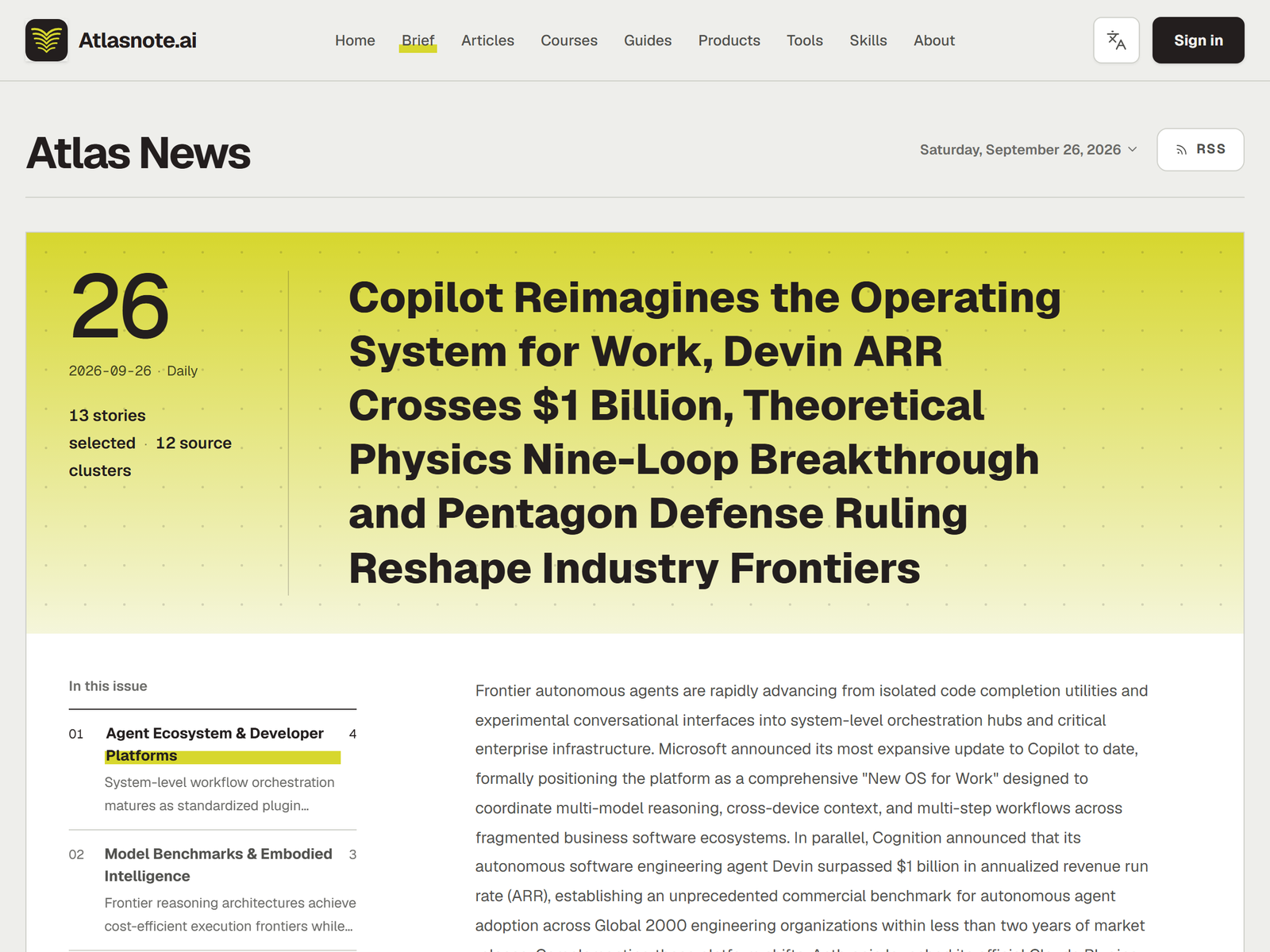
Underneath the three-layer story sits the part that will actually show up on invoices: ordinary chat stays on the fixed per-seat tier, while Code, Autopilot and calls to frontier reasoning models move toward usage-based billing, a split Atlasnote's daily brief calls the decisive shift in Copilot's unit economics. That split matters because persistent agents consume tokens while nobody is watching. A coworker who runs for six unattended hours is a fundamentally different cost object from a chatbot that answers when asked, and metered billing is how Microsoft transfers that variance to the customer.
The competitive read: Microsoft wants enterprises renting a persistent coworker by the token, while Meituan's LongCat-2.5-Preview (1.6 trillion parameters, roughly 48 billion active per request, $0.30 per million input tokens in promotion) and Perceptron's Mk1.5 ($0.15 per million input tokens for drones and glasses) are pushing capable intelligence toward cheap-and-embedded instead. Both strategies can win, but only the metered one makes next quarter's bill unpredictable. OpenAI is converging from the other side — its always-on agent "o" is reported to be coming to ChatGPT Pro tiers, and the ChatGPT mobile app just gained voice-driven multi-step agentic tasks for Plus and Pro subscribers.
| Platform | Agent model | Pricing shape | Distinctive move |
|---|---|---|---|
| Microsoft Copilot | Autopilot: persistent cloud agent | Fixed for chat; usage-based for agents | Deep Microsoft 365 and Windows integration |
| OpenAI ChatGPT | Voice-driven tasks; always-on agent for Pro | Subscription tiers | Mobile-first agentic voice interface |
| Meta Muse | Cross-device assistant (Mac, glasses, retail) | Free token volume; transaction fees | Commerce integration with Walmart, Shopify |
| Meituan LongCat-2.5 | Hosted open-weight model | $0.30/M input tokens promotional | 1.6T-parameter MoE at commodity prices |
What Enterprises Should Do About It
Three practical steps, in order. First, before enabling any persistent agent, write the permissions and spending caps into the workflow specification itself — if software will run unattended, the blast radius of a mistake should be a design input, not an incident report. Second, keep prompts, evaluation suites and tool definitions portable across providers; vendor portability is cheap to preserve now and painful to retrofit after Autopilot has memorized your internal processes. Third, pilot the metered pricing on one team with a hard ceiling before rolling it out, because agent token burn is famously nonlinear — the first week of an Autopilot deployment is when you learn what your workflows actually cost.
It is also worth naming what Microsoft gave up. By merging consumer and enterprise Copilot and pivoting the whole surface toward agents, Microsoft is ceding the personal chatbot race it once led by distribution alone. That is a rational trade only if Nadella's agents-larger-than-cloud thesis holds; if enterprise buyers prove more conservative about autonomous execution than the roadmap assumes, the company will have spent a flagship rebrand renting out autonomy that customers did not want metered.
My Take / The Bottom Line
The Copilot rebuild is the most honest strategic document Microsoft has published in years: it says the chat era is commoditized, the money is in persistent delegation, and the company would rather own the operating layer for agent work than defend a chatbot market it already loses on model quality. Whether it works depends on trust and billing, not features. Enterprises will adopt Autopilot exactly as fast as they can cap its spend and audit its permissions, and not one day faster. My verdict: the architecture is right and the timeline is optimistic — treat Home as ready, Code as promising, and Autopilot as a paid pilot with hard ceilings until it earns unattended hours in production.
FAQ
What are Home, Code and Autopilot in Microsoft Copilot?
They are the three layers of the September 2026 Copilot rebuild: Home is unified chat across Word, Excel and PowerPoint; Code is a natural-language app and dashboard builder; Autopilot is a persistent cloud agent with its own identity, memory and computer that runs delegated tasks unattended.
Does Copilot Autopilot cost extra?
Yes, structurally. Regular chat remains on the fixed subscription tier, while Autopilot, Code and frontier-model calls shift toward usage-based billing, so agent-heavy teams pay for actual token consumption.
How does Copilot compare with ChatGPT for agentic work?
ChatGPT's agents live inside ChatGPT Plus and Pro tiers, including voice-driven multi-step tasks on mobile, while Copilot Autopilot runs inside Microsoft 365 and Windows with deep document and tenant access. Choose Copilot when the work lives in Microsoft's apps; choose ChatGPT when it does not.
Is the Copilot consumer version going away?
No — it is merging with the enterprise version into one platform, which is Microsoft's way of saying the standalone personal chatbot is no longer the product's center of gravity.
What is the biggest risk of deploying a persistent agent like Autopilot?
Unattended execution compounds both cost and security risk: token burn while nobody watches, plus an agent traversing tenant boundaries and file permissions. Cap spending and audit permissions in the workflow spec before the first deployment.