Google Open-Sources TranslateGemma: A Leap in Efficient, On-Device Machine Translation
Google has officially released TranslateGemma, a new suite of open-source machine translation models built upon the Gemma 3 architecture. Available in 4B, 12B, and 27B parameter sizes, these models deliver state-of-the-art translation quality for 55 language pairs while achieving a remarkable efficiency breakthrough. The 12B variant notably outperforms the baseline Gemma 3 27B model, offering high-fidelity translation with less than half the parameters

Baichuan-M3: A New Medical AI Model Leading in HealthBench, Pushing Decision-Making Capabilities Forward
On January 13, 2026, Baichuan Intelligence open-sourced its new-generation medical large language model, Baichuan-M3. This model has achieved top marks on the authoritative OpenAI HealthBench, and more importantly, marks a significant transition for medical AI—from primarily engaging in conversation to providing decision-making support

Google Unleashes “Personal Intelligence”: Gemini Deeply Integrates Gmail & YouTube as Context-Aware AI Agent
Google has launched the beta of “Personal Intelligence” for its Gemini AI, a groundbreaking feature that allows the assistant to access, reason across, and retrieve specific details from a user’s connected Google services including Gmail, YouTube, Photos, and Search. This move represents a major shift from a standalone chatbot to a proactive, context-aware agent with unprecedented access to personal data, creating a significant competitive moat by leveraging Google’s ecosystem

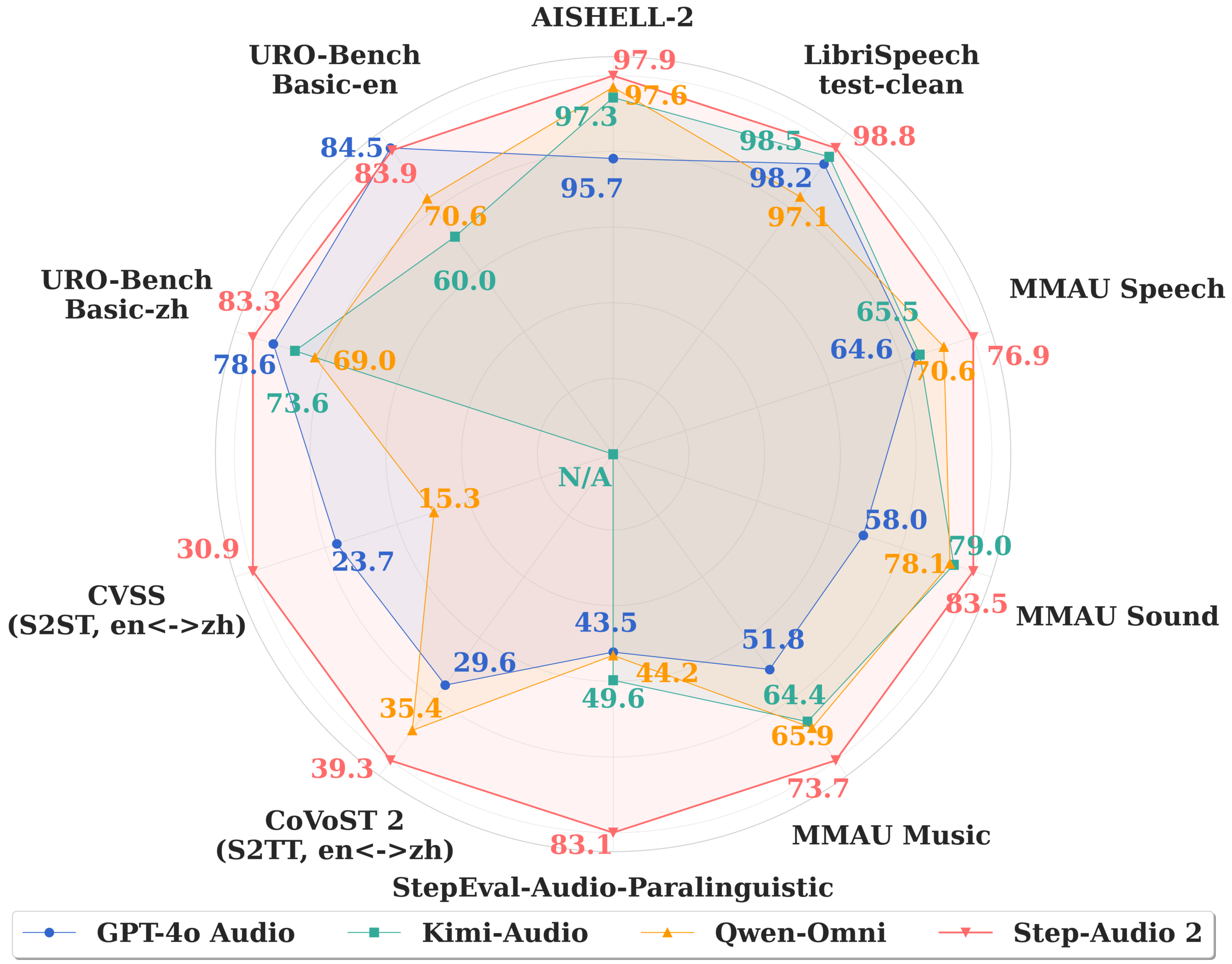
Step-Audio 2.1 Claims Global Audio Evaluation Crown
China's Steptok AI has made a significant leap in voice AI with its latest Step-Audio 2.1 model, which has reportedly achieved top-tier scores in multiple global audio understanding benchmarks, showcasing its advancements in end-to-end architecture and reasoning capabilities
Tencent's Hunyuan 3D Studio 1.2 Launches Open Beta: Precision and Control Reach New Heights
Tencent's AI-powered 3D generation platform, Hunyuan 3D Studio, has officially released its 1.2 version to open beta, offering users direct access to significant upgrades in modeling precision and interactive control. The update focuses on two core areas: the component generation engine PartGen 1.5, which introduces brush-based interaction for granular control, and the foundational model Hunyuan 3D 3.1, which enhances geometric detail and supports eight-view image input for more accurate reconstruction
Google Veo 3.1 Elevates AI Video with Consistency, Native Portrait Mode, and 4K Upscaling
Google's Veo 3.1 video generation model receives a major update, introducing breakthrough improvements in multi-scene consistency, native vertical (9:16) video support, and professional-grade 4K upscaling. These features are now integrated into Google's ecosystem including Gemini, YouTube Shorts, and Vertex AI, empowering both casual creators and enterprises to produce high-quality, narrative-driven video content with unprecedented control.

Baidu's ERNIE 5.0 Hits Global Top 10, Cracks Math & Text Benchmarks
Baidu's latest AI model, ERNIE-5.0-0110, has achieved a major breakthrough by securing a spot among the world's top ten models on the competitive LMArena platform, ranking eighth in text understanding and second globally in mathematical reasoning, showcasing significant progress in core AI capabilities
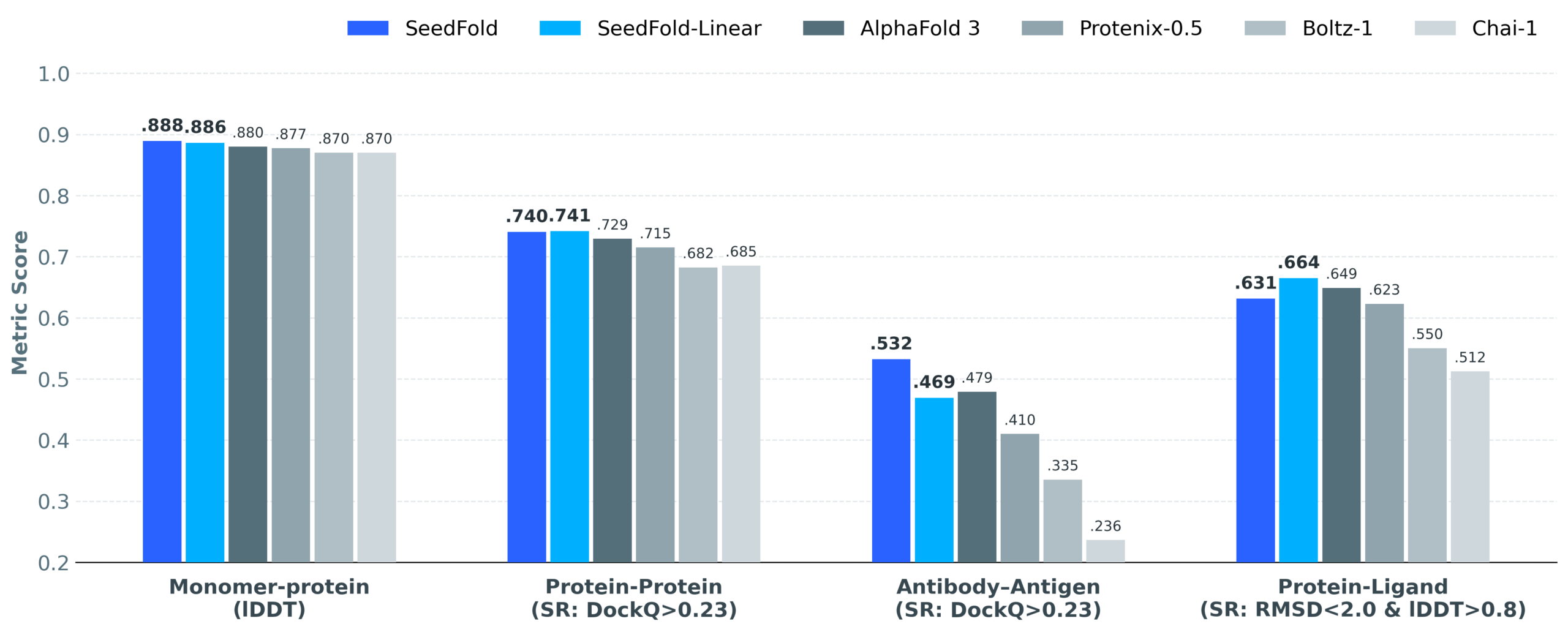
ByteDance Unveils SeedFold: A Breakthrough in Biomolecular Structure Prediction That Scales Beyond AlphaFold3
ByteDance's Seed team quietly dropped SeedFold in late December 2025 — a revolutionary diffusion-based model for all-atom biomolecular structure prediction and de novo protein design. By dramatically scaling pair representation dimensions and introducing linear triangular attention variants, SeedFold achieves SOTA on FoldBench, outperforming AlphaFold3 on most protein tasks while enabling lightning-fast generative design via its companion SeedProteo model. This open-source release marks ByteDance's aggressive entry into AI-for-Science, challenging DeepMind's dominance in structural biology.
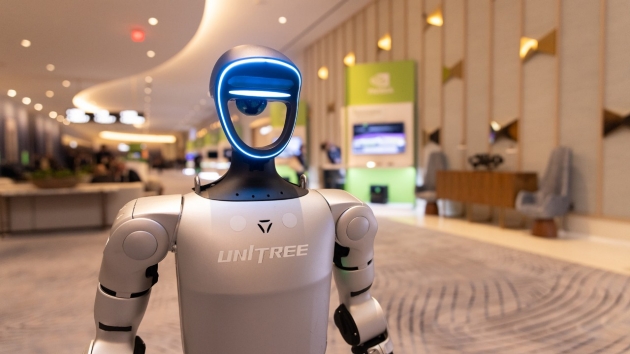
NVIDIA CES 2026 Bombshell: Vera Rubin Platform Enters Full Production, Physical AI Explosion with Alpamayo Models and Robotics Revolution
At CES 2026 on January 5, NVIDIA CEO Jensen Huang unveiled the Vera Rubin platform — successor to Blackwell — now in full production with a groundbreaking six-chip co-designed architecture delivering up to 5x faster inference and dramatically lower energy costs. Huang declared the "ChatGPT moment for physical AI" has arrived, spotlighting open-source Alpamayo reasoning models for autonomous vehicles (debuting in the 2025 Mercedes CLA), new robot foundation models, and ecosystem partnerships pushing AI into the real world. No consumer GPU news, but the roadmap signals explosive growth in AI data centers, robotics, and autonomous systems.
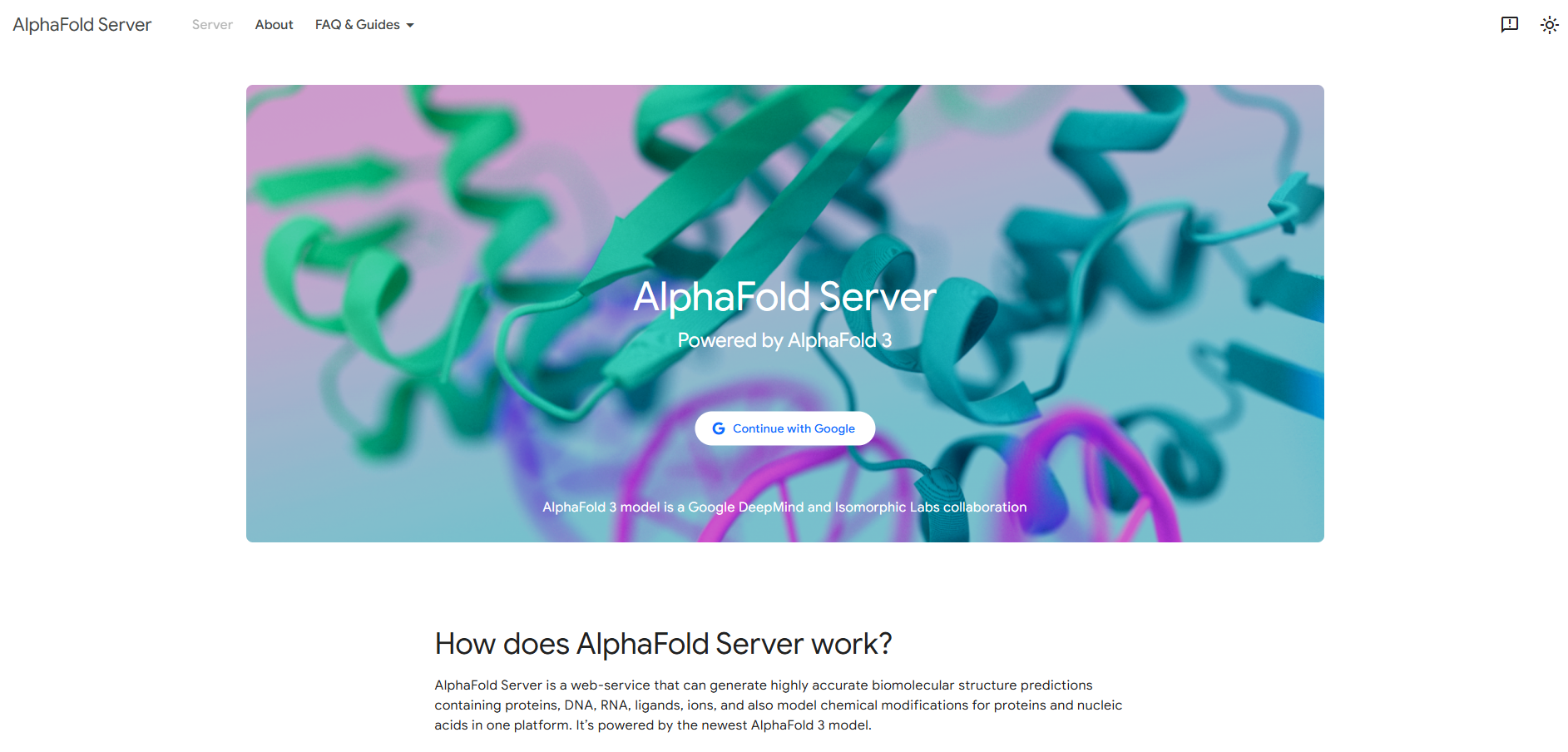
Google DeepMind Unveils AlphaFold 4: Mastering Multi-Molecular Complex Folding with 98.7% Accuracy and 10x Faster Inference
On December 15, 2025, Google DeepMind officially launched AlphaFold 4 — the breakthrough evolution that finally cracks reliable prediction of large multi-molecular complexes. Boasting 98.7% interface accuracy on challenging heteromeric assemblies, native support for proteins + ligands + nucleic acids + ions in one unified model, and a staggering 10x computational efficiency boost, AlphaFold 4 Pro is rolling out via the new AlphaFold Server 2.0 and Isomorphic Labs platform. Early benchmarks show it obliterating previous limitations, enabling routine modeling of drug-target complexes that stumped AlphaFold 3.
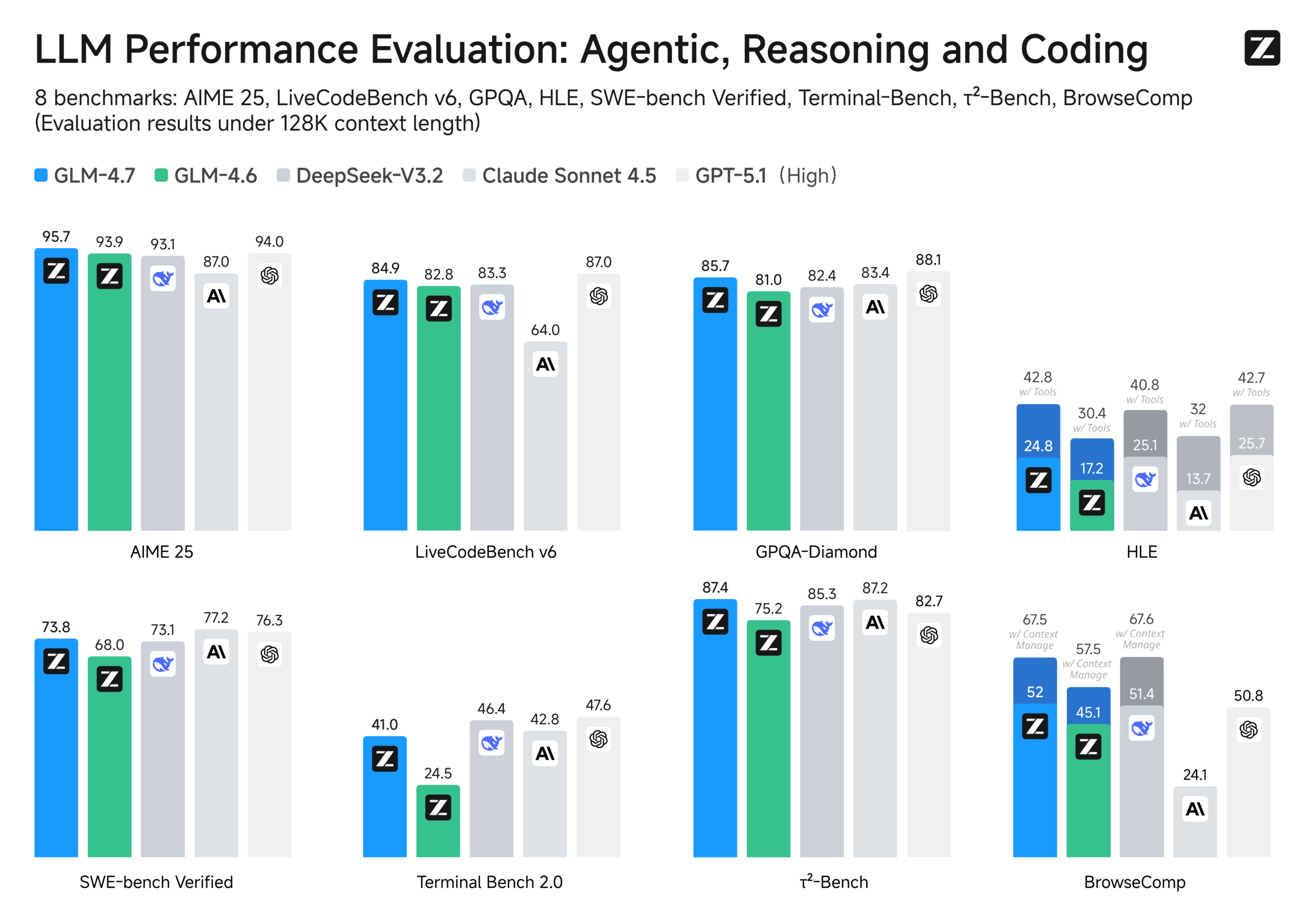
Zhipu AI Open-Sources GLM-4.7: The New King of Open-Source Models Claims Global Coding Throne with SOTA Reasoning and Agentic Execution
On December 22, 2025, Zhipu AI unleashed GLM-4.7 — its latest flagship open-source model that storms to the top of global open-source leaderboards. Packing revolutionary "Preserved Thinking" for multi-turn consistency, interleaved reasoning modes, and massive leaps in coding + tool use, it hits open-source SOTA on LiveCodeBench (84.9%), τ²-Bench (87.4%), and HLE (42.8%) — outperforming Claude Sonnet 4.5 in key agentic tasks while crushing long-context stability. Fully open-weights on Hugging Face, GLM-4.7 accelerates enterprise deployment, scientific research, and content pipelines at a fraction of proprietary costs.
Meta Unveils WorldGen: Revolutionary Text-to-3D System Generates Fully Explorable 50×50 Meter Interactive Worlds
Meta Reality Labs announced WorldGen on November 20, 2025 — a breakthrough research system that transforms a single text prompt into large-scale, navigable 3D environments spanning up to 50×50 meters. Combining procedural planning, diffusion-based reconstruction, and object-aware decomposition, WorldGen produces geometrically consistent, fully textured scenes with built-in navmeshes for real-time exploration in Unity or Unreal Engine. While generation takes minutes and real-time rendering achieves sub-200ms latency in engines, this marks a massive leap toward AI-powered world-building for gaming, VR, and simulation.

Why OpenAI Fired Three Safety Researchers in 2026: Trust Dispute
10/16/2026
Why Anthropic Bet $150 Million on Federal Science in 2026
10/16/2026
VPN Proxy Master Review 2026 - Streaming Servers, Real Limits
10/16/2026
Touch VPN Review 2026 - Free, but Read the Privacy Fine Print
10/16/2026
Browsec Review 2026 - A Browser-First VPN, Read the Fine Print
10/16/2026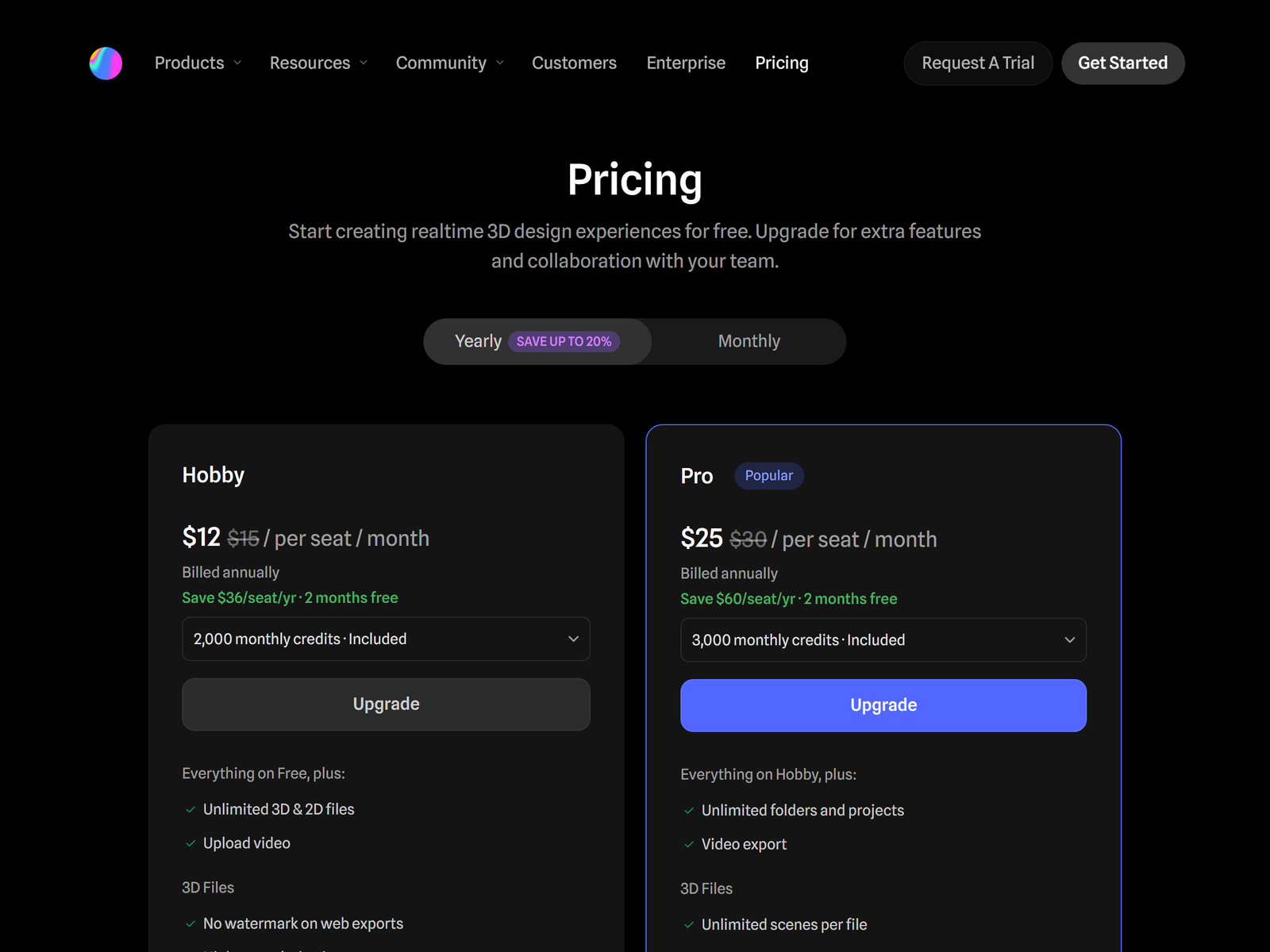
How to Make Money Building 3D Web Experiences With Spline in 2026
10/14/2026
Claude Dashboards and Motion Review 2026: End of the BI Ticket
10/13/2026
Claude Haiku 5.5 Pricing Review 2026: $0.10 per Million Tokens
10/13/2026
How to Make Money Designing Logos With LogoAI in 2026
10/13/2026