Last Updated: January 04, 2026 | Review Stance: Independent testing, includes affiliate links
Quick Navigation
TL;DR - Kling AI 2026 Review
Kling AI leads in realistic AI video generation in 2026 with native audio, advanced motion control, and cinematic quality via models like 2.6 and O1. Excellent for dynamic short clips, but strict censorship, credit costs, and poor support detract from the experience—best for patient creators.
Kling AI Review Overview and Methodology
Kling AI, developed by Kuaishou, is a powerful generative AI platform focused on high-quality video and image creation from text or images. Rapid updates through 2026 include native audio and enhanced realism.
This review evaluates current web app performance, video quality, prompt adherence, and features based on real tests and community feedback.

Image-to-video transformation example (source: tutorials)
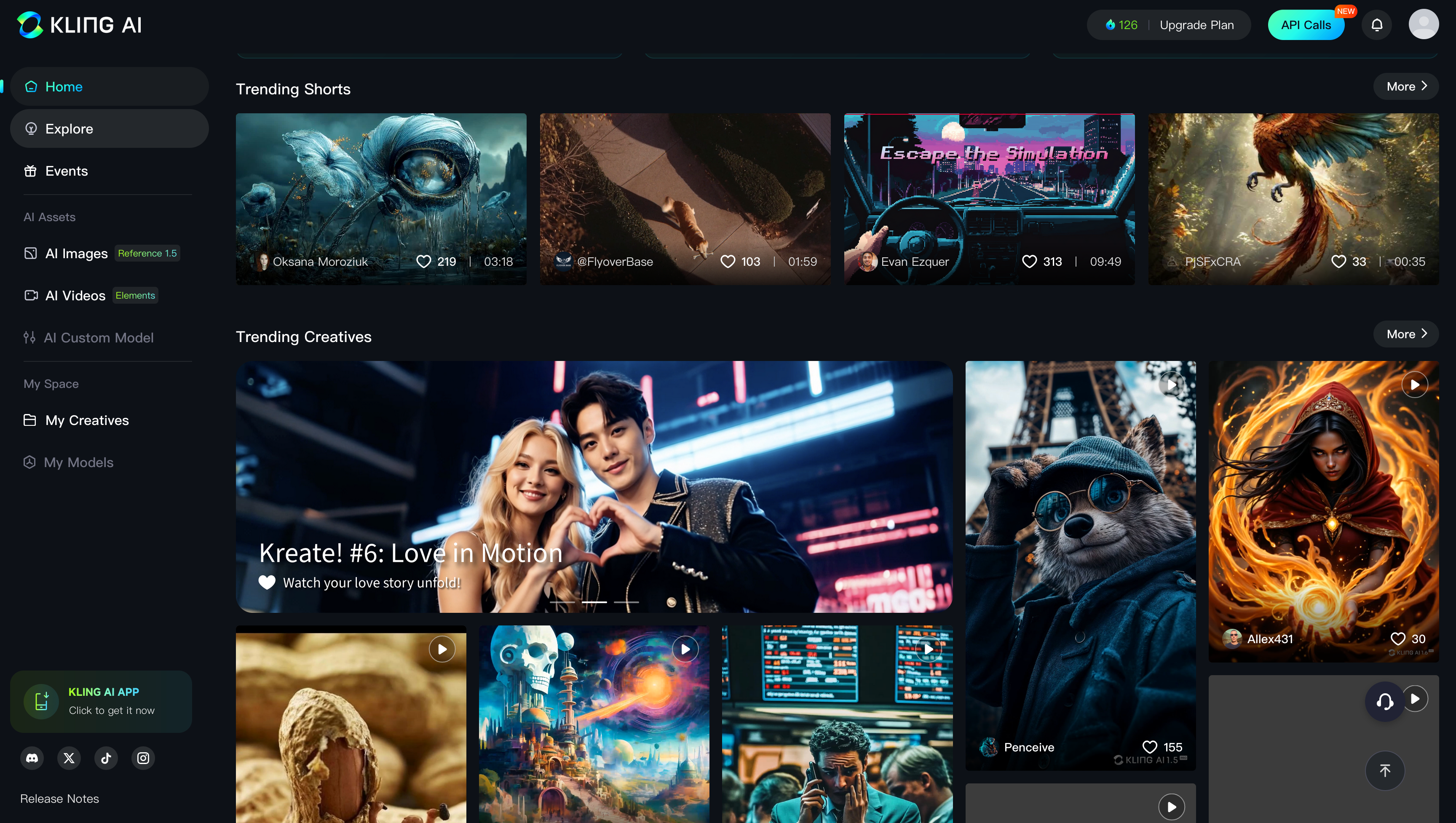
Kling AI web interface (2026)

Cinematic character consistency example
Content Creation
Short social videos, ads, trailers.
Marketing
Product demos, animated explainers.
Filmmaking
Prototypes, storyboards, effects.
Personal Use
Creative experiments, animations.
Core Features of Kling AI
Key Tools & Capabilities
- Text-to-Video: High-fidelity clips up to 10s with complex prompts and camera controls.
- Image-to-Video: Animate static images with natural motion and physics.
- Native Audio Generation: Synchronized voices, SFX, and ambience (Kling 2.6+).
- Motion Brush & Control: Precise element movement guidance.
- Professional Mode: Higher quality at increased credit cost.
- Video Extension: Extend clips seamlessly.
- Multi-Element Editing: Add/replace objects via prompts or images.
User Experience Highlights
- Clean web interface with prompt previews
- Fast generation for standard mode
- 1080p output with realistic physics
- Daily login credits for testing
- Queue system for multiple tasks
Kling AI Functionality & Performance
In 2026, Kling excels in motion realism, character consistency, and audio sync, often outperforming competitors in natural movement and cinematic detail.
Key Advantages in Performance
Native Audio
Cinematic Quality
Prompt Control
Consistency
Kling AI Use Cases
Ideal Scenarios
- Social media short-form content with audio
- Product advertising and demos
- Film pre-visualization and effects
- Animated storytelling and trailers
- Creative prototyping for artists
Access Options
Web App
Mobile-Friendly
Credit Queue
API (Limited)
Kling AI Pricing & Plans
Free
$0/month
Daily login credits
- ~66 credits/day
- Lower resolution/watermarks
- Limited features
- Standard mode only
Standard/Pro
$10-$37/month
Mid-tier access
- 660-3000+ credits/month
- No watermarks, HD output
- Professional mode
- Priority features
Premier
$92+/month
Heavy users
- 8000+ credits/month
- Full advanced models
- Priority support/updates
- Max concurrency
As of January 2026, credit-based with variable costs per model (e.g., advanced videos 100+ credits). Annual discounts available; check official for latest.
Pros & Cons: Balanced Assessment
Strengths
- Top-tier motion realism and physics
- Native audio synchronization
- Cinematic quality and control
- Daily free credits for testing
- Rapid model improvements
- Strong image-to-video
Limitations
- Strict content moderation/censorship
- Poor customer support
- Credit costs add up quickly
- No unlimited plan
- Queue waits on high demand
Who Should Use Kling AI?
Best For
- Content creators needing realism
- Marketers for ads
- Filmmakers prototyping
- Users tolerant of credits/moderation
Consider Alternatives If
- You need unlimited generations
- Strong customer support required
- Less restrictive moderation
- Free-focused or open-source
Final Verdict: 8.7/10
Kling AI delivers exceptional video quality and innovation in 2026, especially with audio and motion—but censorship, support issues, and costs prevent a perfect score. Top choice for quality-focused creators.
Ease of Use: 8.5/10
Features: 9.2/10
Value: 8.0/10
Try the Leading AI Video Generator in 2026
Start with daily free credits for cinematic text-to-video and native audio—no card needed initially.
Daily free credits available as of January 2026.