AI Terminal Track Explodes: Giants Like Meta, Google, and Alibaba Swarm into Smart Glasses — Quark Sells Out Instantly with 500%+ Resale Premiums
Category: Industry Trends
Excerpt:
The AI wearable terminal race detonated in late 2025, with Meta unveiling Ray-Ban Display glasses featuring in-lens HUDs, Google pushing Android XR prototypes toward 2026 mass production, and Alibaba's Quark AI Glasses launching on November 27 — selling out across platforms within hours, resale prices surging 500%+ to 5000 RMB. Luxshare Precision added dedicated assembly lines, BIWIN Storage forecasts 500%+ growth in AI glasses revenue for 2026, igniting explosive demand for chips, waveguides, and optics — signaling the dawn of AI glasses as the next trillion-dollar battlefield after smartphones.
🕶️ AI Smart Glasses: The "Phone Fatigue" Killer Taking 2025 by Storm
The era of "phone fatigue" is crumbling — and AI smart glasses are the battering ram. The final quarter of 2025 witnessed unprecedented frenzy in the wearables market: Meta launched the Ray-Ban Display with neural wristbands and visual AI overlays; Google teased Android XR glasses prototypes (display-equipped models for everyday immersion); and Alibaba rolled out the Quark S1/G1 series (priced ¥1899–¥3799), fusing Qwen AI with Alipay’s "glance-to-pay" and GaoDe’s AR navigation.
Alibaba’s Quark launch wasn’t just successful — it was explosive: platforms like Tmall, JD, and Douyin showed "sold out" within minutes, delivery queues stretched to 45 days, and resale prices on Xianyu spiked to ¥4000–¥5000 (over a 100% premium on flagship models). This isn’t mere hype; it’s the supply chain screaming under the weight of unprecedented demand.
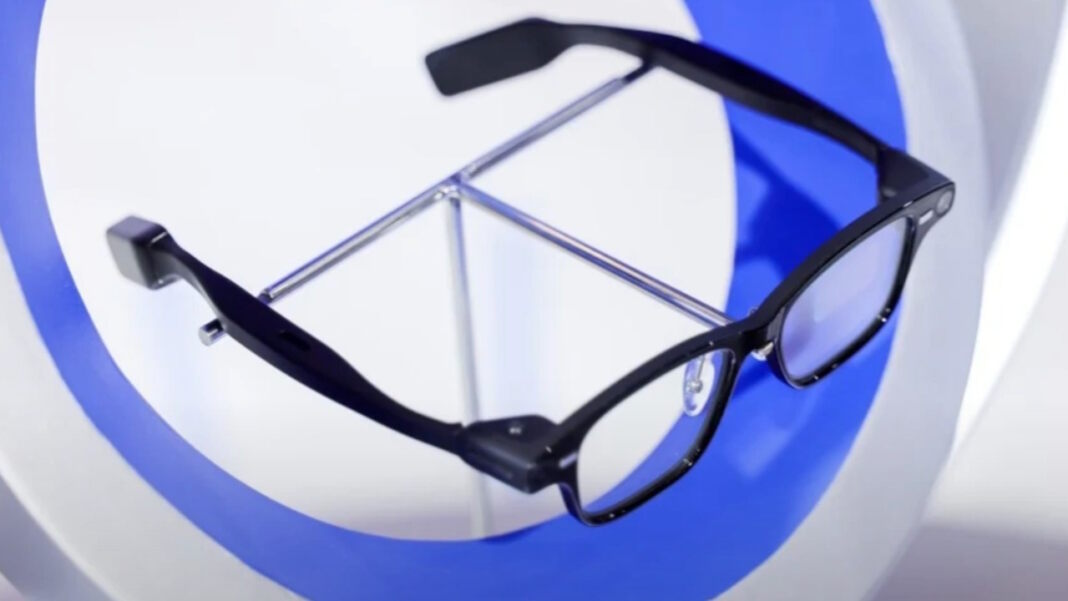
1. The Supply Chain Inferno: Racing to Meet Demand
Behind the market frenzy lies a supply chain working overtime to keep up with orders:
- Luxshare Precision: Quietly ramped up new assembly lines for Alibaba’s Quark (and Meta/Google prototypes), leveraging automated optics fabs in Wuxi and Kunshan to achieve 98%+ production yields.
- BIWIN Storage: The exclusive ePOP supplier for Quark and Meta projects AI glasses revenue will surge 500%+ in 2026, driven by growing edge AI storage needs.
- Core Components Surge: Demand for key parts — including Qualcomm AR1 chips, Hengxuan BES2800 audio modules, Sony IMX681 cameras, and domestic waveguides (from ToGrid Tech and JBD MicroLED) — has ballooned. As production volumes hit millions, component costs are plummeting.
2. Interface Magic: Sci-Fi Functionality in Everyday Wear
AI smart glasses redefine human-computer interaction with intuitive, always-on features — no more fumbling with phones:
| Brand/Model | Key Interface & Features |
|---|---|
| Alibaba Quark S1 | - Dual binocular waveguides (4000 nits brightness, adjustable IPD)- Qwen AI: Live menu translation, Taobao instant price-check via product scan- Alipay: Voice-activated "pay now" with biometric verification |
| Meta Ray-Ban Display | - EMG wristband for gesture control (thumb-swiping HUDs)- Visual AI overlays integrated with Ray-Ban’s iconic frame design |
| Google Android XR Prototypes | - Gemini AI: Real-time AR overlays- Collaboration with Warby Parker for stylish, everyday frames |
These glasses act as your "second brain" — always on, yet discreet enough for daily use.
3. Early Market Chaos: Shortages, Resales, and Frenzied Growth
The launch of 2025’s AI smart glasses sparked a market "bloodbath" of demand:
📈 Demand & Shipment Surge
- Quark topped sales charts within 4 hours of launch.
- Meta raised its 2025 sales forecast to 500,000+ units.
- Omdia projects global AI smart glasses shipments will hit 10 million+ in 2026.
💰 Resale & Rental Frenzy
- Quark’s limited in-stock units were resold for ¥5000+ on Xianyu.
- Daily rental prices reached ¥40–95, as consumers rushed to "taste" the technology.
⚙️ Supply Chain Strain
- Luxshare and BIWIN are ramping production frantically.
- Industry officials vow to reach full production capacity by January 2026 to meet the Spring Festival rush.
This pattern mirrors the iPhone’s 2007 launch: early shortages, premium resales, and then an avalanche of mainstream adoption.
4. The Fine Print: Challenges Behind the Hype
AI smart glasses aren’t without flaws — beta-stage issues persist:
- Battery Limits: 24-hour use requires battery swaps (no seamless all-day endurance yet).
- AR Glitches: Complex real-world scenes (e.g., crowded streets) can cause AR overlay glitches.
- Privacy Risks: Always-listening microphones and cameras have sparked privacy concerns.
To address these, tech giants are rolling out fixes: voiceprint locks, content watermarks, and geo-audits. Regulators, however, are closely monitoring "glance-pay" security risks, and ethical safeguards are tightening as adoption grows.
5. Global Chessboard: Who’s Winning the AI Glasses Race?
The market is splitting along regional and strategic lines:
- Meta: Dominates the Western market with 80%+ share, leveraging its Ray-Ban partnership for brand familiarity.
- Alibaba: Storms the East via ecosystem lock-in (Alipay, GaoDe, Taobao integration).
- Google/Samsung: Plot a premium XR assault, focusing on Gemini AI and high-end design.
- Indie Brands: Flood the mid-tier market, but scaled players (Luxshare, BIWIN, Goertek) control the supply chain, giving them a competitive edge.
This isn’t incremental innovation — it’s an insurgency. AI smart glasses are poised to eclipse phones as the primary portal for AI, flooding data loops and creator economies with new possibilities.
The AI terminal revolution isn’t coming — it’s here. AI smart glasses are rewriting human-computer symbiosis: from pulling phones out of pockets to having AI augment every glance. As Quark’s sellouts and supply chain frenzies prove, 2025 is the inflection point: shortages today, ubiquity tomorrow. Tech giants aren’t just launching hardware — they’re forging the next interface paradigm, where AI doesn’t assist from afar, but integrates into every moment of daily life.
📌 Official Links (Note: Web Parsing May Fail)
- Meta Ray-Ban Display: https://www.meta.com/smart-glasses/ (May show "web parsing failure"; check back later)
- Google Android XR Updates: https://www.android.com/xr/ (May show "web parsing failure"; retry for updates)