Last Updated: January 02, 2026 | Review Stance: Independent testing, includes affiliate links
Quick Navigation
TL;DR - Redbubble 2026 Review
Redbubble is a massive print-on-demand marketplace offering easy entry for artists to sell designs on 70+ products with global reach. Strong for beginners and passive sales, but declining quality, high platform fees, and payout issues make it less ideal in 2026—many recommend alternatives.
Redbubble Review Overview and Methodology
Redbubble is a print-on-demand (POD) platform where independent artists upload designs to be printed on apparel, stickers, home decor, and accessories. Launched in 2006, it emphasizes artist earnings and unique fan art/community creations.
This 2026 review draws from user feedback, artist experiences, and platform details—focusing on ease of use, product quality, earnings potential, and support.

Redbubble homepage showcasing artist designs
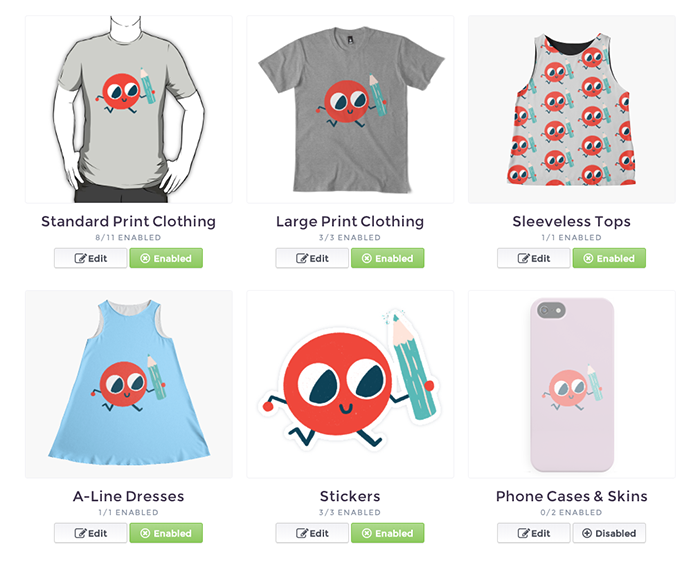
Examples of POD products like t-shirts and stickers
Artist analytics dashboard interface
Independent Artists
Passive income from uploaded designs.
Fan Art Creators
Merch for shows, games, trends.
Gift Buyers
Unique personalized items.
Beginners in POD
No upfront costs or inventory.
Core Features of Redbubble
Key Tools & Capabilities
- Design Upload: Free uploading with auto-application to 70+ products.
- Artist Margin Control: Set your own markup (default 20%).
- Marketplace Exposure: Built-in search and discovery for buyers.
- Global Fulfillment: Print-on-demand production and worldwide shipping.
- Analytics Dashboard: Track views, sales, and earnings.
- Fan Art Program: Licensed merch for popular brands/shows.
User Experience Highlights
- Easy upload and product preview
- No inventory or upfront costs
- Secure payments and returns
- Community and trending tags
- Mobile-friendly site
Redbubble Functionality & Performance
In 2026, Redbubble offers reliable upload and sales tracking, but product quality varies by fulfiller—many report fading prints and sizing issues.
Key Advantages in Performance
Large Marketplace
Global Reach
Variety of Products
Redbubble Use Cases
Ideal Scenarios
- Beginner artists testing POD sales
- Fan art and trend-based designs
- Passive side income without marketing
- Buyers seeking unique gifts
Redbubble Pricing & Plans
Free for All Artists
$0 setup
Pay only on sales
- Default 20% margin
- Tiered fees (up to 50% for Standard)
- $20 minimum payout threshold
- No upfront costs
Buyer Pricing
Varies by product
Competitive with discounts
- Stickers from ~$2-3
- T-shirts from ~$20-30
- Global shipping fees
- Frequent sales/promos
As of 2026, artists face tiered fees reducing margins significantly for lower tiers; payouts monthly if over $20 threshold.
Pros & Cons: Balanced Assessment
Strengths
- Free and easy to start
- Huge product variety
- Built-in traffic and search
- Global shipping handled
- Good for beginners/passive income
Limitations
- Inconsistent product quality/fading
- High platform fees/low margins
- Payout delays and complaints
- Oversaturation and IP issues
- Poor recent customer support
Who Should Use Redbubble?
Best For
- Beginner POD artists
- Fan art creators
- Passive income seekers
- Buyers wanting unique items
Consider Alternatives If
- You prioritize quality/control
- Need higher margins
- Want better support
- Prefer integrated stores (e.g., Printful)
Final Verdict: 6.8/10
Redbubble remains accessible for new artists in 2026, with strong marketplace reach and no upfront costs. However, quality declines, aggressive fees, and support issues make it less competitive—suitable for testing but not long-term reliance.
Quality: 5.5/10
Earnings Potential: 6.0/10
Support: 5.8/10
Explore the Popular POD Marketplace in 2026
Upload designs for free and start selling on apparel, stickers, and more—global fulfillment included.
Free to join as of January 2026.