Last Updated: January 13, 2026 | Review Stance: Independent testing, includes affiliate links
Quick Navigation
TL;DR - OpenVoice 2026 Review
OpenVoice remains a top open-source voice cloning powerhouse in 2026, offering instant cloning from short clips, granular style control, and true zero-shot multilingual support under free MIT license. V2 delivers better quality—perfect for devs & creators needing customizable, efficient TTS.
OpenVoice Review Overview and Methodology
OpenVoice is an open-source instant voice cloning model from MIT and MyShell, powering myshell.ai since 2023 with millions of uses. It focuses on accurate tone cloning, style control, and cross-lingual zero-shot generation.
This 2026 review evaluates the GitHub repo (35.8k stars), V2 capabilities, local setup/demo performance, audio quality, and real-world applications through code tests and comparisons.
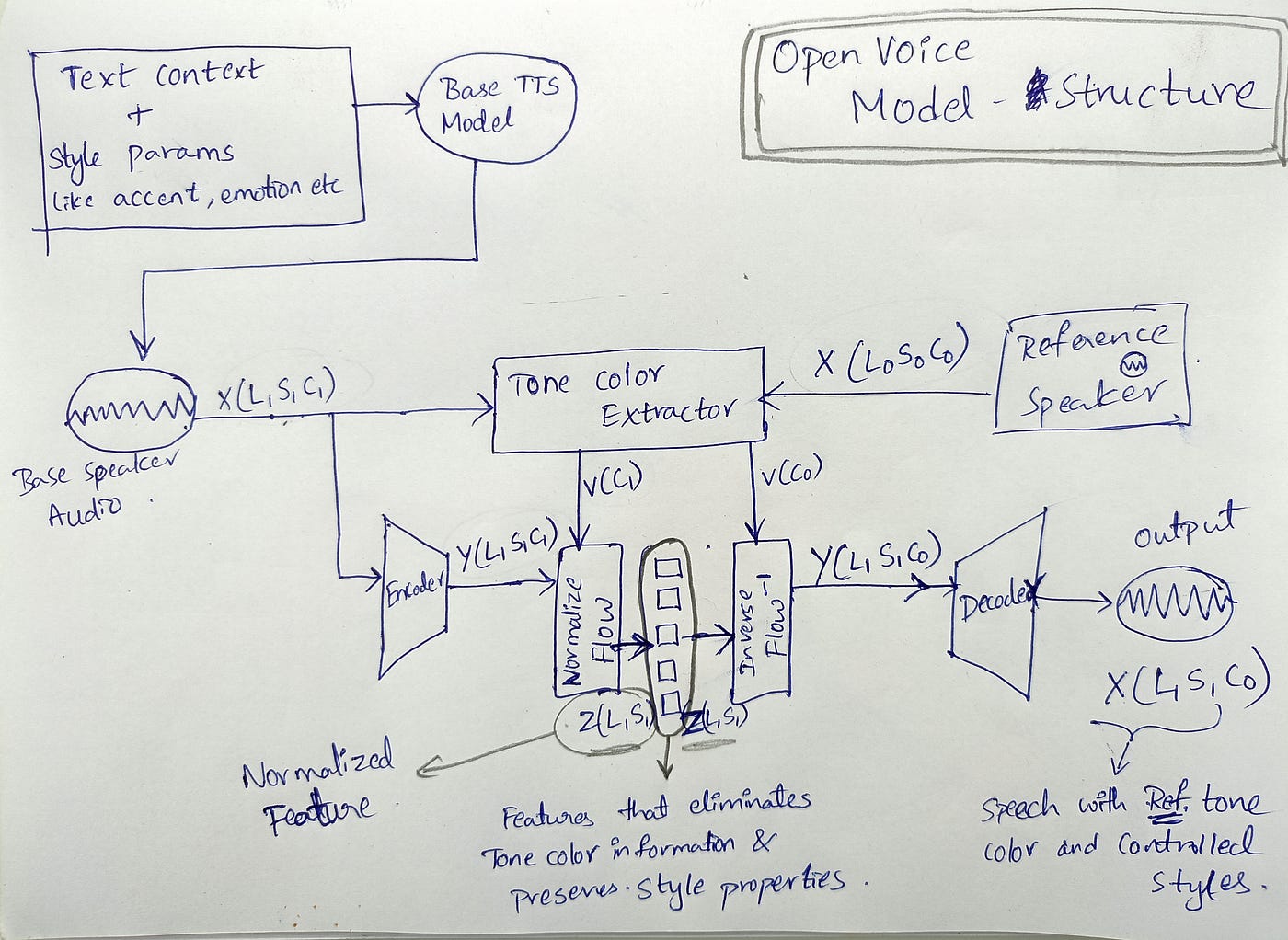
OpenVoice technical architecture overview
OpenVoice on Hugging Face - model visualization

OpenVoice V2 style control demo showcase
Content Creation
Dub videos, podcasts, audiobooks in multiple languages.
Research & Dev
Build custom TTS, emotion/accent experiments.
Accessibility
Voice synthesis for multilingual apps & tools.
Entertainment
Character voices, dubbing, creative audio projects.
Core Features of OpenVoice
Key Tools & Capabilities
- Instant Tone Color Cloning: Clone voice from short clip (seconds) with high accuracy.
- Flexible Style Control: Adjust emotion, accent, rhythm, pauses, intonation granularly.
- Zero-Shot Cross-Lingual: Generate in unsupported languages without training data.
- Multilingual Native Support (V2): English, Spanish, French, Chinese, Japanese, Korean.
- Efficient & Cost-Effective: Runs locally, cheaper/faster than commercial APIs.
- Demo Notebooks & Gradio: Easy local testing with Jupyter & web UI.
- MIT License: Free commercial/research use.
User Experience Highlights
- Quick setup via pip/conda
- Intuitive notebooks for beginners
- High-quality V2 audio improvements
- Active community & Hugging Face integration
- Watermarking options for ethical use
OpenVoice Functionality & Performance
In 2026, OpenVoice V2 offers superior audio quality, native multilingual, and strong zero-shot performance. Efficient on consumer hardware, with consistent cloning accuracy and style fidelity.
Key Advantages in Performance
Style Granularity
Cross-Lingual Zero-Shot
Multilingual Native
MIT Free License
OpenVoice Use Cases
Ideal Scenarios
- Developers building custom TTS apps
- Content creators dubbing in multiple languages
- Researchers experimenting with voice AI
- Accessibility tools for voice synthesis
- Entertainment & gaming character voices
Integration Options
Local Python
Hugging Face
Gradio Demo
MyShell Platform
OpenVoice Pricing & Plans
Open-Source Core
$0 (MIT License)
Full access
- Local install & run
- V1 & V2 models
- Commercial/research free
- Checkpoints download
MyShell Platform
Subscription-based
Hosted usage
- Easy online demos
- Higher quality options
- Paid tiers for volume
- Integration perks
As of January 2026, core model free; platform usage may require MyShell subscription. No local costs beyond hardware.
Pros & Cons: Balanced Assessment
Strengths
- True zero-shot cross-lingual cloning
- Granular style/emotion control
- Free MIT license for commercial use
- Efficient & high-quality V2
- Active community & demos
- Multilingual native support
Limitations
- Setup requires technical knowledge
- Local quality may vary vs hosted
- No built-in real-time ultra-low latency
- Occasional inconsistencies in complex styles
- Maintenance updates sporadic
Who Should Use OpenVoice?
Best For
- AI developers & researchers
- Content creators needing dubbing
- Open-source enthusiasts
- Multilingual app builders
- Ethical voice AI projects
Consider Alternatives If
- You need plug-and-play hosted service
- Require ultra-real-time/low-latency
- Want no-setup commercial API
- Prefer fully managed enterprise solution
Final Verdict: 9.2/10
OpenVoice stands as a leading open-source voice cloning solution in 2026, with exceptional zero-shot multilingual and style control under free license. V2 improvements make it highly versatile—strong choice for technical users seeking customizable audio AI.
Style Control: 9.5/10
Value (Free): 9.8/10
Ease of Setup: 8.0/10
Try the Leading Open-Source Voice Cloning in 2026
Clone voices instantly with style control—download from GitHub and start building today.
MIT License - Free as of January 2026.