Google Releases Veo 3.1 Ingredients to Video Upgrade: Native Vertical + 4K Upscaling, Turning Reference Images into Mobile-Ready Masterpieces
On January 13, 2026, Google DeepMind rolled out major enhancements to Veo 3.1's "Ingredients to Video" feature, enabling native 9:16 vertical video generation, 4K upscaling, dramatically improved character/object consistency, and more expressive outputs from shorter prompts. Integrated directly into the Gemini app, YouTube Shorts, YouTube Create, Flow, Google Vids, Vertex AI, and the Gemini API, this update targets the exploding short-form video market — making it dead simple for creators to produce TikTok/Reels/Shorts-ready clips without cropping or quality loss. Early feedback: Veo 3.1 now crushes consistency issues that plagued prior versions, positioning Google as the go-to for mobile-first AI video production.

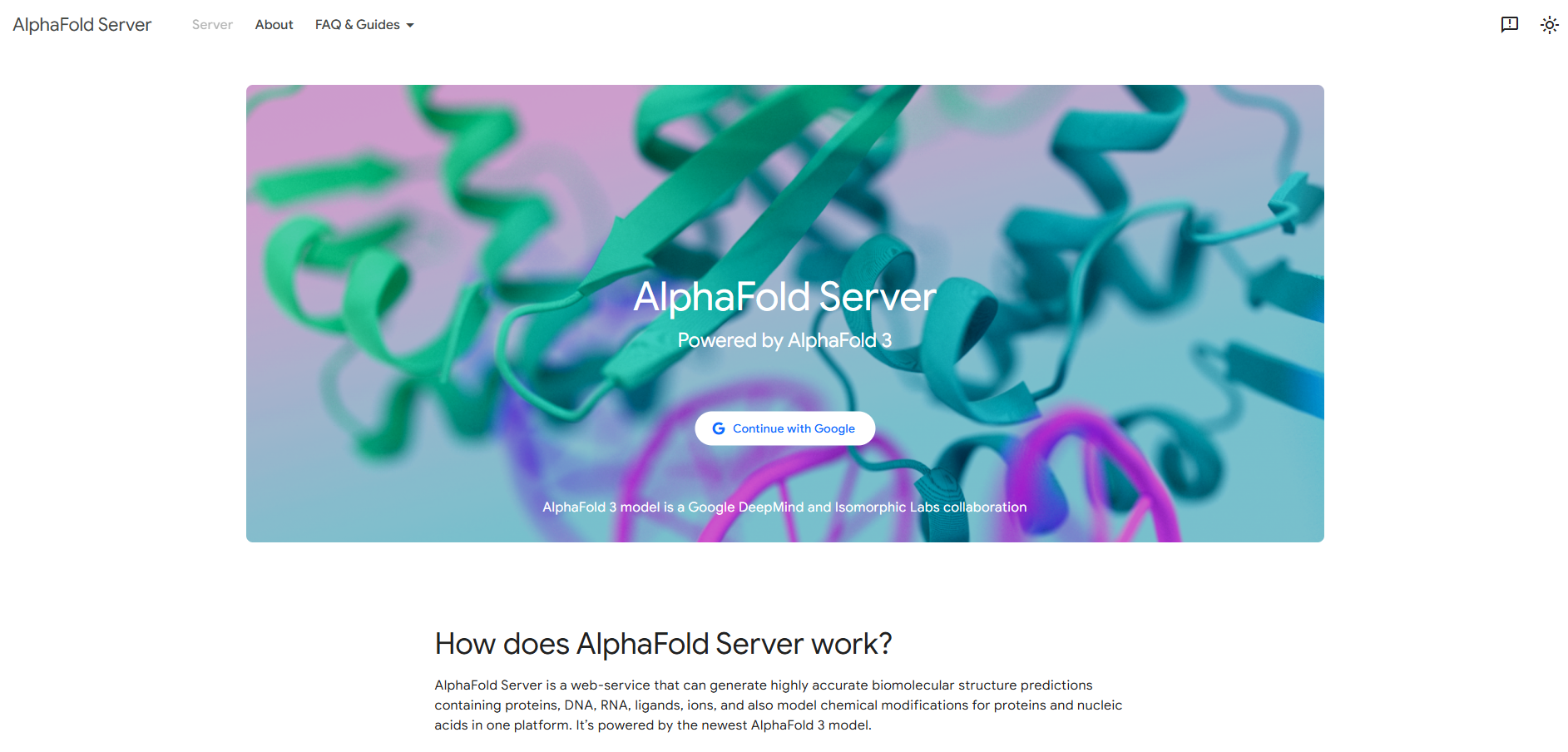
Google DeepMind Unveils AlphaFold 4: Mastering Multi-Molecular Complex Folding with 98.7% Accuracy and 10x Faster Inference
On December 15, 2025, Google DeepMind officially launched AlphaFold 4 — the breakthrough evolution that finally cracks reliable prediction of large multi-molecular complexes. Boasting 98.7% interface accuracy on challenging heteromeric assemblies, native support for proteins + ligands + nucleic acids + ions in one unified model, and a staggering 10x computational efficiency boost, AlphaFold 4 Pro is rolling out via the new AlphaFold Server 2.0 and Isomorphic Labs platform. Early benchmarks show it obliterating previous limitations, enabling routine modeling of drug-target complexes that stumped AlphaFold 3.
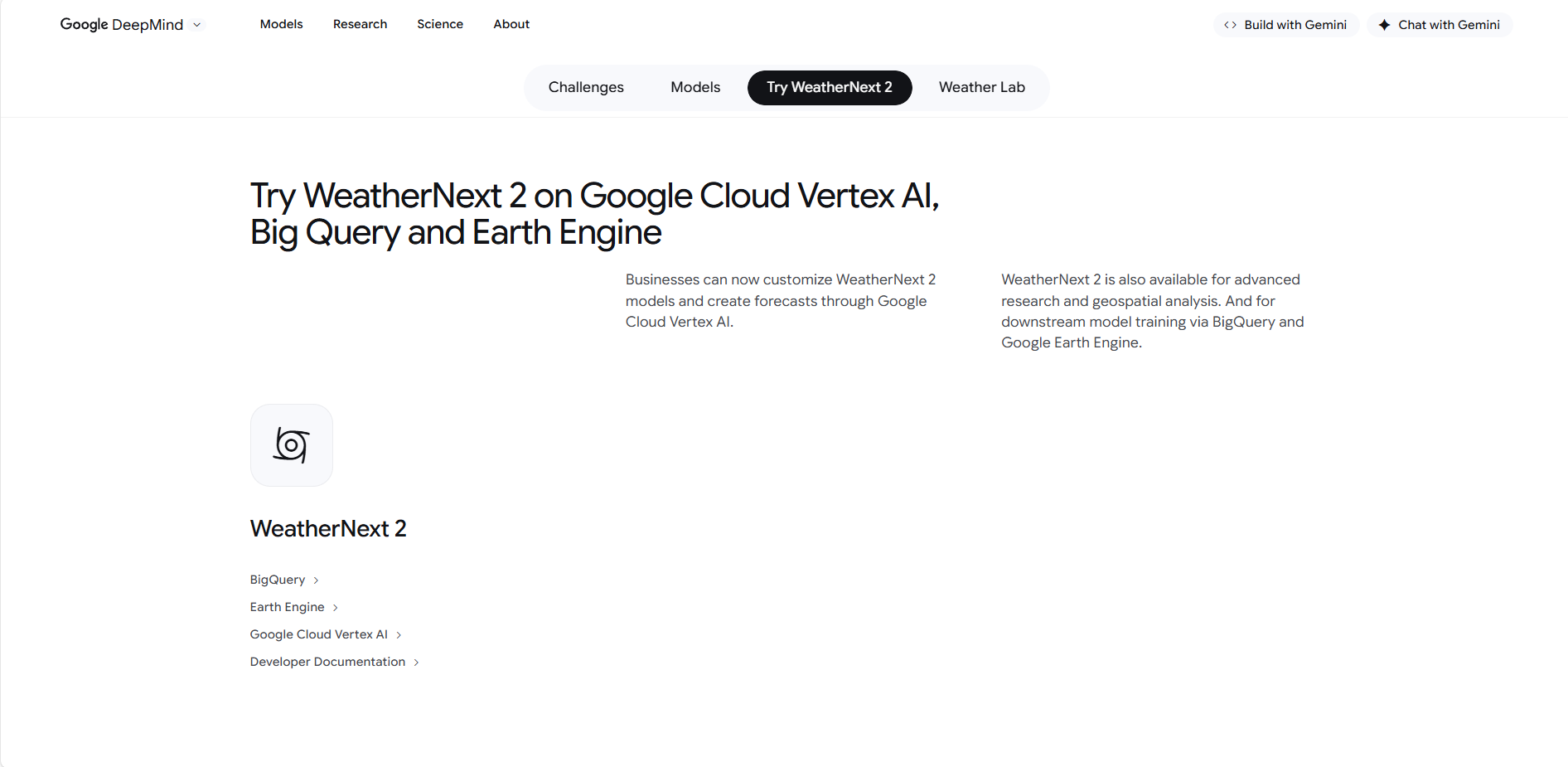
Google DeepMind Unveils WeatherNext 2: A Quantum Leap in AI-Powered, High-Resolution Global Forecasting
Google DeepMind has launched WeatherNext 2, its next-generation AI model that delivers hyper-accurate, high-resolution global weather forecasts up to 10 days in advance, within minutes. By integrating novel physics-informed neural architectures with a massive-scale multi-modal training approach, the model sets a new benchmark for predicting extreme weather events and fine-grained local phenomena, signaling a transformative shift from traditional numerical methods to agile, AI-native forecasting.