Scite + Podsqueeze: Turn “Boring” Research Into a Science Podcast (Without Reading 50 Papers)
Category: Monetization Guide
Excerpt:
Launch a niche podcast that explains new science simply. Use Scite to find, verify, and summarize credible research papers fast (AI does the reading). Then use Podsqueeze to turn your audio recording into show notes, clips, newsletters, and blog posts automatically. This is a system for becoming a “trusted voice” in health, tech, or psychology without spending 40 hours a week in the library.
Last Updated: February 2, 2026 | Playbook: research-backed podcast & newsletter studio | Tools: Scite (evidence engine) + Podsqueeze (repurposing engine)
Who desperately needs this (even if they don’t say it out loud)
Nutritionists, trainers, therapists with podcasts/newsletters. They live between PubMed and Instagram. They’re terrified of misquoting a study or getting called out. They want to say “research shows…” and actually mean it.
People teaching pricing, productivity, investing, decision-making. They quote “a study” vaguely. You help them reference real work and avoid zombie statistics that never die.
Think tanks, NGOs, advocacy groups. They need accessible podcasts and newsletters that are still grounded in real evidence, not just opinion pieces.
Research labs that want to talk to the public. They’re great at papers, bad at podcasts/blogs. You become the bridge between “published paper” and “podcast episode your aunt can understand.”
The real pain (that makes this worth paying for)
A serious expert might want to read the literature… but then clients, students, life. They skim abstracts, glance at citations, and hope nobody asks, “What’s the source?”
A 45-minute episode is fun to record and awful to summarize. Titles, descriptions, chapters, links, newsletter, posts… it’s not “a podcast”, it’s 7 different writing tasks.
In health, finance, or policy, being wrong publicly is expensive. They’ve seen threads ripping apart gurus who misrepresent evidence. They’d rather say nothing than risk being that screenshot.
The initial excitement burns out when they realize each episode requires: research, outline, recording, fact-checking, show notes, newsletter, social posts. You step in to take 70–80% of that off their plate.
Your pitch is simple: “I’ll make your episodes more accurate and easier to ship consistently.”
Your two tools: what they do, what they cost, how they fit
Scite analyzes over a billion citations and labels them as supporting, contrasting, or mentioning the cited work . It surfaces citation context, retractions, and disputes—so you can quickly tell if a study is solid or shaky.
As of early 2026, public reviews mention a Personal plan starting around $6/month billed annually on the official pricing page, with higher tiers around $20/month and enterprise options for institutions . Exact pricing can change—always check their pricing page before you quote numbers to clients.
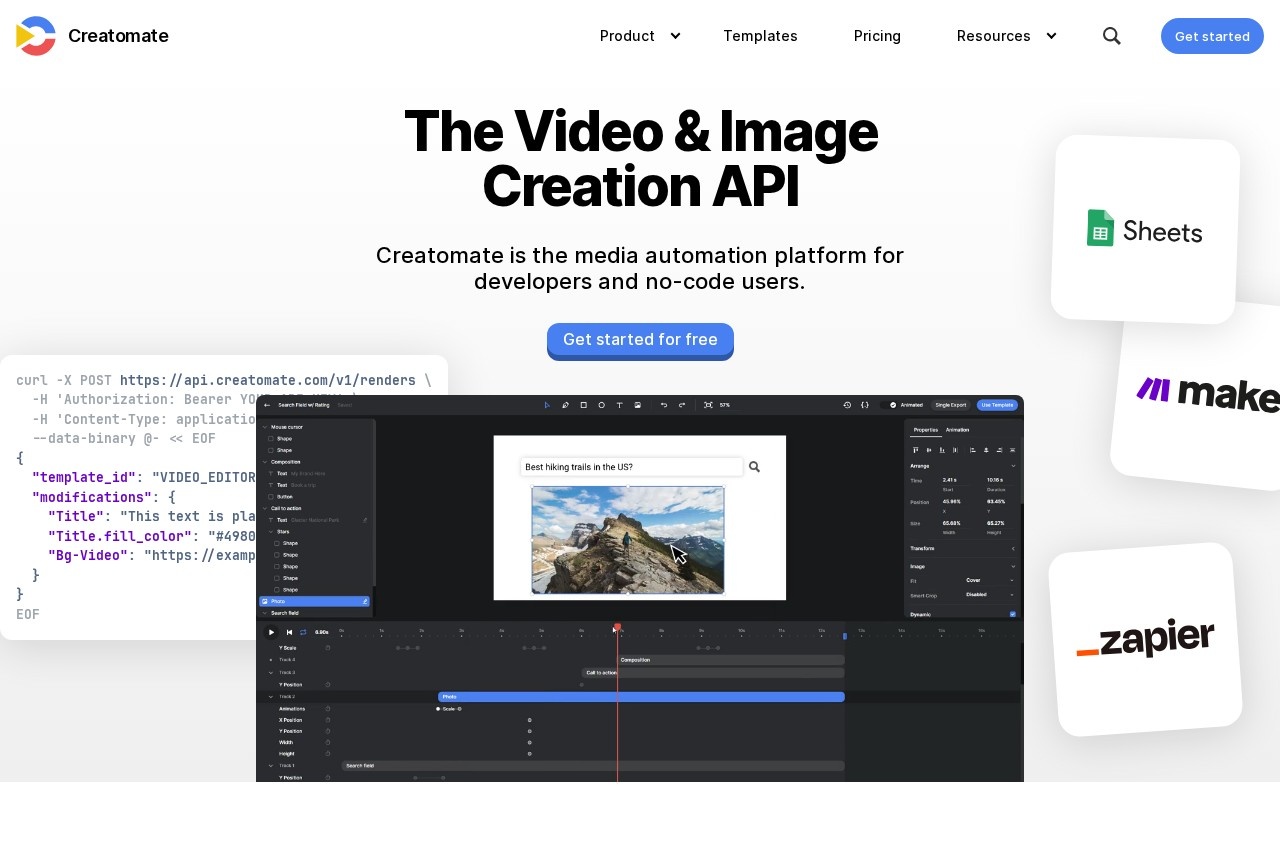
Podsqueeze takes a podcast audio/video file and auto‑generates transcripts, show notes, blog posts, newsletters, social captions, quotes, and clips . It’s like a post‑production agency without agency pricing.
Current public pricing references a Free plan (50 mins/month) and paid tiers starting around $11/month billed annually for 160 mins, scaling to agency plans with thousands of minutes at a few cents per minute . Again, confirm live pricing on their site before you budget.
The episode workflow (from vague topic → research‑backed episode → full content package)
With your client, turn “I want to talk about intermittent fasting” into a claim you can actually check:
• “Does intermittent fasting improve insulin sensitivity?”
• “Does time‑restricted eating help with weight loss vs. calorie counting?”
1. In Scite, search your question in natural language or search by key paper title.
2. Use Smart Citations to see:
• which papers are heavily supported
• which are contrasted (red flags)
• whether any have corrections/retractions
3. Save 3–7 solid papers into a Scite collection/dashboard.
Build a simple episode outline:
• Intro: “What people think is true”
• Section 1: What strong studies show (with caveats)
• Section 2: Where evidence is mixed or weak
• Section 3: What this means in practice (your client’s take)
• Outro: CTA (subscribe / newsletter / PDF)
Your client records the episode using their usual stack (Zoom, Riverside, etc.).
You give them:
• the outline
• key phrases to hit
• 2–3 disclaimers if needed (“not medical advice”)
1. Log into Podsqueeze; upload the audio or video file.
2. Let it generate:
• transcript + timestamps
• show notes (title, description, chapters, highlights)
• blog post draft, newsletter draft, social posts, quote images, clips
• Check Podsqueeze drafts against your Scite‑curated papers.
• Fix any overconfident language (“proves”, “guarantees”) to “suggests”, “is associated with”.
• Insert citations or “Paper X found Y” into blog/newsletter where helpful.
• Make sure everything sounds like your client, not a generic AI.
Service packages you can honestly deliver
| Package | Per‑episode deliverables | Who it’s for | Your time | Typical fee |
|---|---|---|---|---|
| Evidence‑Ready Episode |
• Scite literature scan + shortlist (3–7 key papers) • Episode outline & talking points • List of citations + links for show notes | Experts who want research help but handle everything else themselves | 2–3 hours | $150–$350 |
| Full Episode Content Pack |
Everything in “Evidence‑Ready Episode” plus: • Final show notes (title, description, timestamps) • 1 blog post draft (~1,000–1,500 words) • 1 newsletter draft • 5–10 social posts • 2–4 quote images or clips (from Podsqueeze) | Busy educators, coaches, agencies doing weekly episodes | 3–5 hours | $300–$700 |
| Research + Newsletter Retainer |
• 2–4 Scite research briefs/month • 2 podcast episodes supported with packs • 2–4 standalone newsletters based on recent papers • Occasional correction/errata research if needed | Labs, think tanks, serious B2B educators | 8–12 hours/month | $800–$2,000/month |
These ranges are meant to be believable, not flashy. Adjust to your experience, niche, and local rates; start lower if you’re building case studies, then move up.
Where your first 3 clients actually come from
If you regularly listen to 5–10 podcasts in your niche, you already know: who is serious, who sounds overwhelmed, and who reads “a study” but never links it. Those are prime targets.
Anyone already writing about evidence-based topics (Substack, Medium, blogs) is a good podcast candidate. They have material but not the audio engine.
Every university department has at least one person saying, “We really should explain this stuff to the public.” They have grant money; you have a system.
Hey [Name] — quick question.

I love that you care about the research behind what you teach.
Out of curiosity, how much time per episode do you spend:
- reading papers
- fact-checking
- then turning it into show notes, newsletter, social posts?

I run a tiny “research + content” studio that does exactly that part:
- I scan the literature using tools like Scite (shows if papers are supported or challenged),
- then after you record, I use AI tools like Podsqueeze to generate transcripts,
  show notes, blog posts, and newsletter drafts.

You stay the voice & expertise. I handle the evidence and the repurposing.

Would you be open to seeing what that looks like for one upcoming episode?
What this can realistically become (and what it probably won’t)
| Phase | Timeline | Client count | Typical monthly revenue | What’s happening |
|---|---|---|---|---|
| Exploration | Months 1–2 | 0–2 | $0–$700 | You’re refining your offer, building 1–2 demo projects, learning Scite & Podsqueeze deeply. |
| Early traction | Months 3–6 | 3–6 | $1,200–$3,000 | A couple of recurring clients, maybe one larger research‑heavy retainer. You have a predictable weekly workflow. |
| Small studio | Months 6–18 | 6–10 | $3,000–$7,000 | You’re selective with clients, maybe hire part‑time help. Income is meaningful but still tied to your ability to maintain quality. |
These are not promises. They’re plausible ranges if you treat this like a real service business: talk to people, price fairly, communicate clearly, and protect your own bandwidth.